On this page
In Park East?
Your call is routed to a provider serving Park East and east Plant City.
(813) 303-9621Calls routed by ZIP · 33563, 33565Leak detection in Park East covers this newer community on the east side of Plant City, built in phases across ZIPs 33563 and 33565 (including Phase 5). Homes are slab-built with modern supply piping and irrigation. Beyond typical new-home fixture leaks, common calls include high water pressure stressing fittings, water heater relief valves dripping, and sprinkler leaks.
Why Leak Detection Matters in Park East
Newer homes in Park East avoid many of the corrosion problems of older plumbing, so the leaks that do happen tend to come from pressure, heat and use rather than age. Two issues stand out in newer construction anywhere: water pressure and thermal expansion.
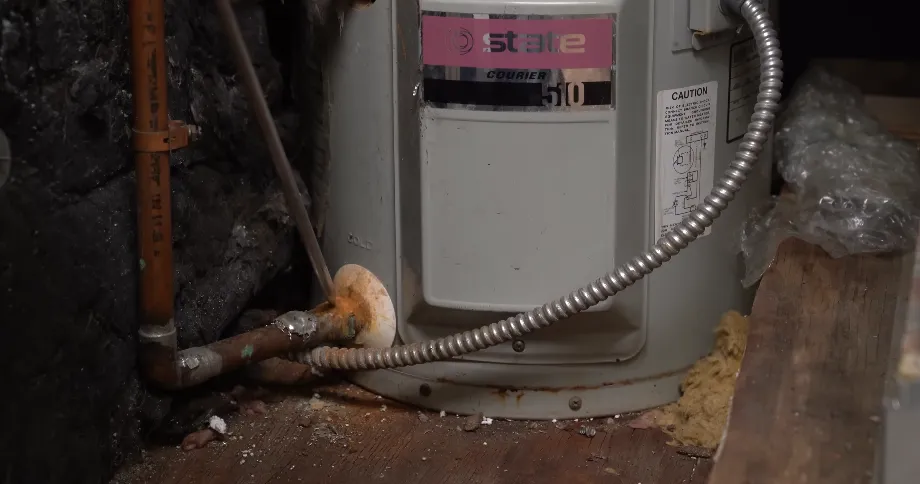
When street pressure is high, every fitting, valve and supply hose in the house works harder. Many homes have a pressure-reducing valve (PRV) at the main to keep it in check, and when a PRV fails or drifts, pressure climbs and small leaks start appearing at weak points. Water heaters add a second stress. Heating water makes it expand, and in a closed system without a working expansion tank, that pressure has nowhere to go. The result is often a temperature-and-pressure relief valve that drips, or fittings that weep at the heater. Read more on water heater leak detection and our main page for leak detection in Plant City FL.
How Can You Check Your Water Pressure?
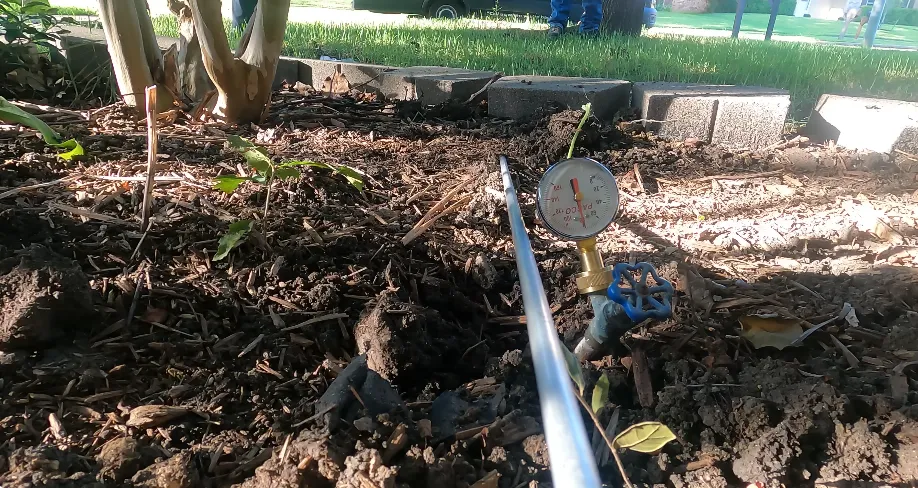
A simple gauge that screws onto an outdoor hose bib shows your static water pressure. Test with all water off inside and out. If the reading is high, or if it creeps up overnight after the water heater cycles, the PRV or expansion tank may need attention. High pressure isn't a leak by itself, but it makes leaks more likely and can shorten the life of fixtures, supply hoses and appliances. A provider can test pressure as part of a whole-home leak inspection.
Top Leak Problems in Park East, and Why
1. Water heater and relief valve leaks. Thermal expansion and pressure make relief valves drip and fittings weep.
2. Fixture and supply hose leaks. Under-sink connections, toilet supplies and washer hoses under high pressure.
3. Irrigation leaks. New yards and shallow laterals damaged by landscaping and fences.
4. Slab leaks in later years. As homes age and settle, under-slab supply lines are the hidden leak to watch for. See slab leak detection.
Local Conditions in Park East
Park East's later phases are among the newer streets in the city, so landscaping, fences and pools are still being added around many homes. Each of those projects is a chance to hit an irrigation or service line. Summer storms bring heavy rain to newly graded lots, and soggy lawns can mask a leak for days. Hard, mineral-rich water from the area's groundwater also builds scale on fixtures and heater components over time.
A Quick Leak Checklist for Park East Homeowners
- Test your water pressure at a hose bib once a year
- Check the water heater's relief valve discharge pipe for drips
- Ask whether your home has an expansion tank and when it was last checked
- Replace rubber washer hoses with braided stainless ones
- Walk sprinkler zones after any landscaping project
- Do a meter test with everything off a few times a year
Leak Detection FAQs for Park East
Why is my water heater's relief valve dripping?
Often because of thermal expansion or high water pressure, especially without a working expansion tank. It should be checked rather than capped.
Can high water pressure cause leaks?
Yes. High pressure stresses fittings, hoses and valves throughout the house and makes leaks more likely.
How do I test my water pressure?
Screw a pressure gauge onto an outdoor hose bib with all water off and read it. A provider can check it as part of an inspection.
Do you serve Park East Phase 5?
Yes. All phases of Park East are served the same way.
How do I get a quote in Park East?
Call (813) 303-9621 and describe the leak or the drip you're seeing. A local provider can give you a free quote.