On this page
Pump running too often?
Wells hide leaks because there's no meter. Call to reach a provider.
(813) 303-9621Free call connection · Open 24/7 · Plant City, Brandon, Valrico, Seffner & DoverWell line leak detection finds leaks in private well systems: the buried line from the well to the house, the pressure tank and switch, and branch lines to barns, irrigation and outbuildings. Because there's no utility meter, providers use pressure tests and pump-cycle observation to confirm a leak, then isolate sections and listen along buried lines to pinpoint it.
Why Well Leaks Are Harder to Spot
City water customers can watch a meter. Well owners can't. A leak on a well system shows up instead as the pump turning on when no one is using water, the pressure dropping overnight, higher electric use from a pump that runs more, or a pump that wears out early. Rural properties also tend to have long buried runs to the house, barns, animal waterers and irrigation, so there's more pipe where a leak can hide.
Wells are common on acreage and farms outside city water service, including rural parts of Plant City toward Keysville, Hopewell, Springhead and Knights, and around Dover.
Where Do Well Systems Leak?
| Part | Typical problem |
|---|---|
| Drop pipe and pitless adapter | Leaks inside the well casing; pump cycles but no visible water |
| Well-to-house line | Buried line cracked by roots, settling or digging |
| Pressure tank | Waterlogged tank or failed bladder makes the pump short-cycle (not a leak, but similar symptoms) |
| Pressure switch & fittings | Drips at the tank tee, gauge or relief valve |
| Branch lines | Lines to barns, troughs, irrigation or a second home |
| Check valves | Water flowing back down the well, so the pump restarts |
Signs of a Leak on a Well
- The pump kicks on with every fixture off
- Pressure on the tank gauge slowly falls overnight
- The pump runs longer or more often than it used to
- Higher electric bills from the pump
- Wet, green or soft ground along the line route
- Air or spurting from faucets
- Sand or sediment appearing at fixtures
How Is a Well System Tested?
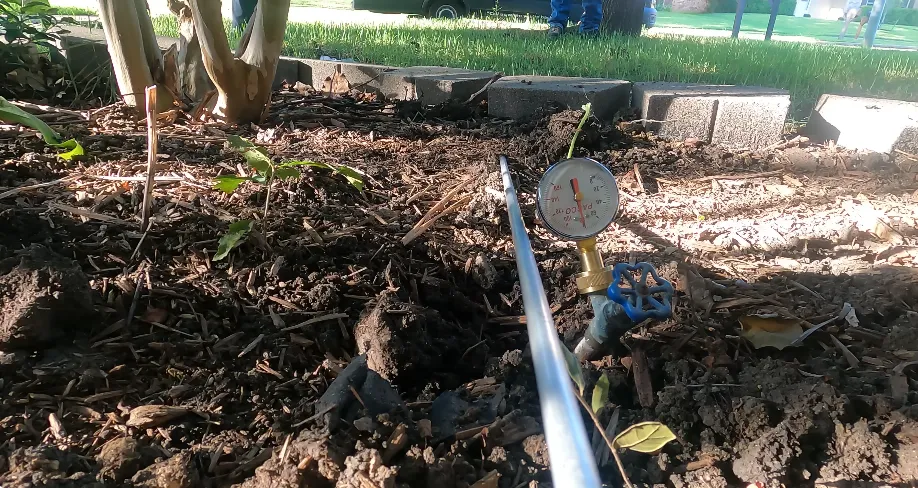
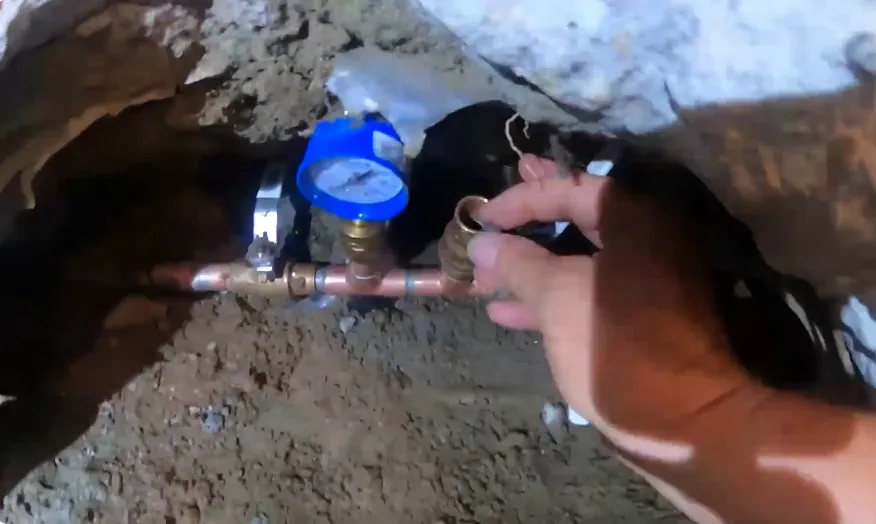
- Static pressure test: with all fixtures off, the pump is switched off and the pressure gauge watched. A dropping needle confirms a leak or a failed check valve.
- Isolation: valves between the tank, house and branch lines are closed one at a time to find the leaking section.
- Tank check: the pressure tank's air charge and bladder are checked to rule out short-cycling.
- Line locating: buried lines are traced, often with a tracer wire or transmitter on plastic pipe.
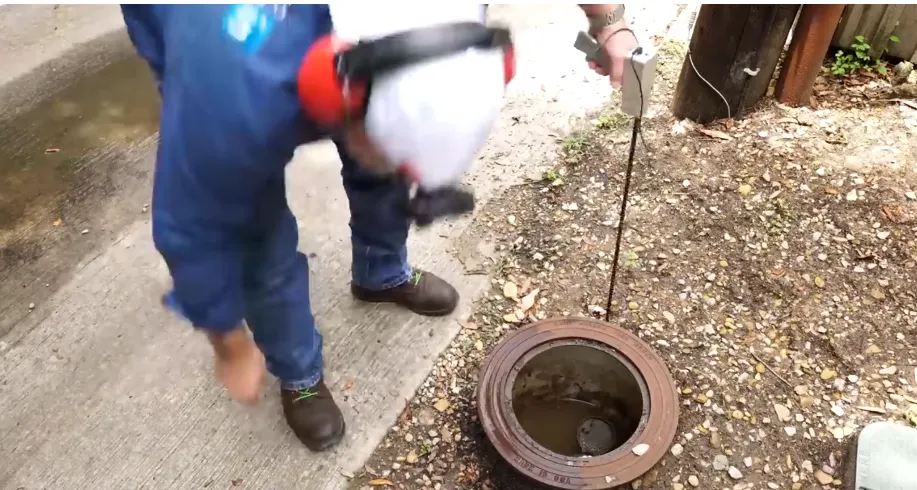
- Listening: ground microphones and air injection pinpoint the break, as with city service lines.
Pro tip: Note your tank pressure at bedtime and again in the morning with no water used. If it dropped, something in the system is leaking or the check valve is failing.
Wells and Plant City's Ground
Wells here draw from the Floridan aquifer, and the same mineral-rich water that affects city lines also builds scale on well pumps, check valves and fittings. Sandy soil and karst limestone mean buried lines move as the ground settles, and pasture or farm equipment can crush shallow lines. On farms, long irrigation runs fed by the well add more places to check. See irrigation leak detection.
After the Leak Is Found
Options include repairing the buried line at the marked spot, replacing a check valve or pitless adapter, or servicing the pressure tank. Work inside the well casing is typically handled by a licensed well contractor. Call (813) 303-9621 for a free quote through Plant City FL leak detection.
Warning: Turn off the pump's power at the breaker before working on any part of the well system, and never open a pressure tank that's still under pressure.
Well Line & Well System Leak Detection FAQs
How do I know if my well system is leaking?
With all water off, watch the pressure gauge and listen for the pump. If pressure drops or the pump restarts with no use, there's a leak or a failing check valve.
Is a short-cycling pump always a leak?
No. A waterlogged pressure tank or failed bladder can make the pump cycle rapidly too. Testing separates the two.
Can a leak be inside the well itself?
Yes. A leaking drop pipe or pitless adapter inside the casing loses water back into the well, which causes the pump to cycle without any wet ground.
Can you find leaks on long farm lines?
Yes. Lines are traced and tested in sections, then pinpointed with listening equipment or air injection.
How do I get a quote for well line leak detection?
Call (813) 303-9621 and describe your well setup and symptoms. A local provider can give you a free quote.