On this page
Water around your heater?
Turn off power or gas and close the cold inlet, then call to be connected with a provider.
(813) 303-9621Free call connection · Open 24/7 · Plant City, Brandon, Valrico, Seffner & DoverWater heater leak detection finds where water is escaping around a tank or tankless heater, at the inlet and outlet fittings, temperature and pressure relief valve, drain valve or the tank itself, and checks whether a heater that runs constantly is feeding a hidden hot-water leak elsewhere, often under the slab.
Where Do Water Heaters Leak?
Water near a heater doesn't always mean the tank has failed. The source is often a part that can be repaired:
- Cold inlet and hot outlet fittings on top of the tank, where connectors and nipples corrode.
- The temperature and pressure (T&P) relief valve, which can drip if it's worn or if pressure or temperature is too high.
- The discharge pipe from the T&P valve, which shows water when the valve opens.
- The drain valve near the bottom, which can weep if it's plastic, worn or not fully closed.
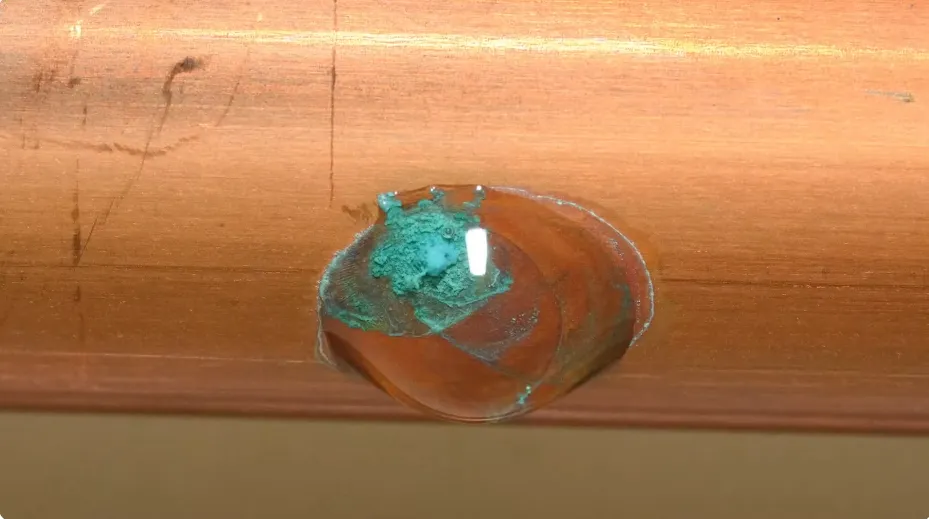
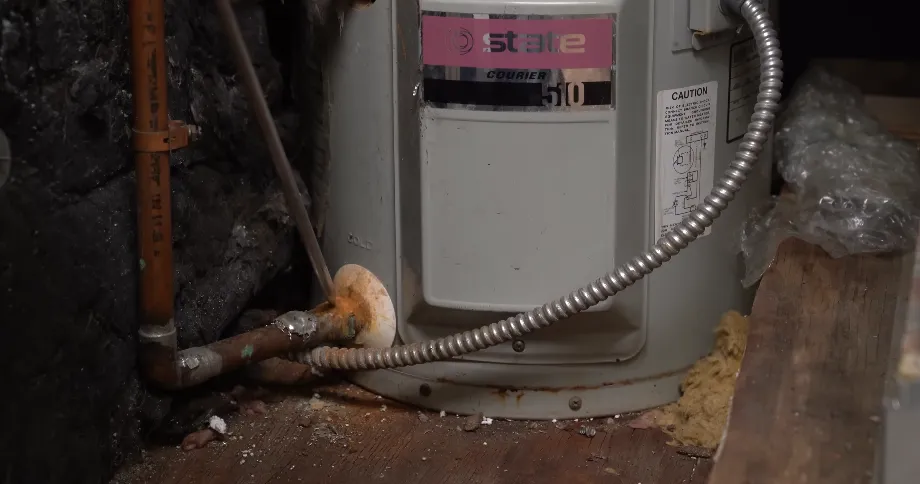
- The tank itself, which leaks from the bottom when the inner lining has rusted through. That usually means replacement.
- Tankless units, which can leak at fittings, the heat exchanger or the pressure relief valve.
- Condensation on gas heaters, which can look like a leak, especially on humid days or when the tank is filling with cold water.
Why Does My Water Heater Run All the Time?
A heater that cycles on constantly, runs out of hot water sooner than it used to, or makes the bill climb may not be broken at all. It may be doing its job, reheating water that is escaping from a hot-water line leak somewhere else in the house.
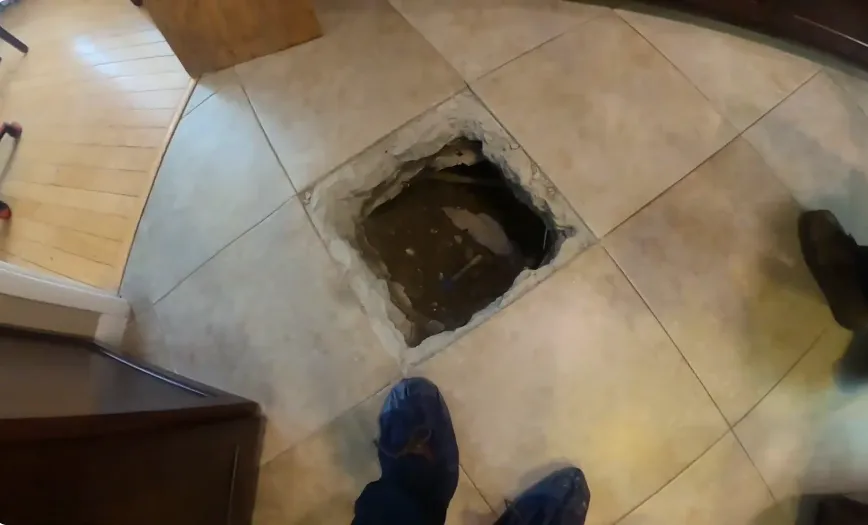
In Plant City's slab homes, that leak is very often under the floor. Hot lines run through or under the slab to kitchens and bathrooms, and they wear out faster than cold lines because of expansion with every use. Signs that point there are a warm spot on the floor, the sound of running water, and a meter that moves with all fixtures off. If that's what you're seeing, read about slab leak detection.
How Do You Tell a Heater Leak From a Hot-Line Leak?
- Look and touch. Dry the area around the heater completely, then check the fittings, valve, discharge pipe and base for fresh water over the next hour or two.
- Meter test. Turn off all fixtures and check the meter's leak indicator.
- Isolate the hot side. Close the cold inlet valve on top of the heater. If the meter stops, water was flowing through the heater into the hot system, which points to a hot-side leak.
- Check for heat. Walk the floors for warm spots and listen near walls and floors for running water.
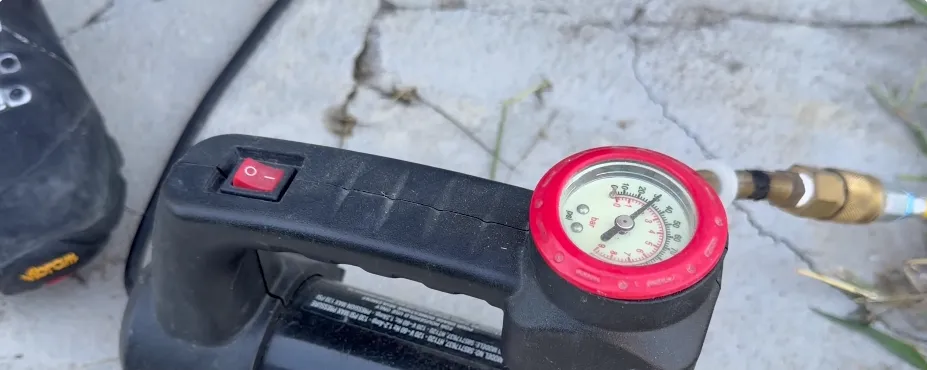
Providers use the same steps with more precise tools: pressure gauges on both sides, acoustic listening on the hot line, and thermal imaging to follow warm water under tile. It's how professional leak detection in Plant City separates a heater repair from a slab repair.
What Are the Warning Signs?
- Puddles or dampness around the base of the heater
- Rust or corrosion on fittings, the tank bottom or the pan
- Water dripping from the relief valve discharge pipe
- Rusty or discolored hot water
- Popping or rumbling sounds from sediment buildup
- Running out of hot water faster than usual
- The heater running nearly nonstop
- Warm spots on floors away from the heater
What Causes Water Heater Leaks in Plant City?
Hard water and sediment. Groundwater from the Floridan aquifer is rich in minerals. Sediment settles in the tank bottom, overheats the steel and speeds up corrosion. Flushing the tank periodically helps, and a whole-home leak inspection can check the heater along with the rest of the plumbing.
Age. Tank heaters wear out over time. Once the inner lining and anode rod are spent, the tank corrodes from inside.
Pressure and temperature. High household pressure or a failed expansion tank makes the relief valve open and drip.
Garage and outdoor installs. Many Florida heaters sit in garages or closets on exterior walls, where humidity speeds up corrosion on fittings.
Connectors. Flexible connectors and dielectric fittings can corrode where dissimilar metals meet.
What Should You Do Right Now?
- Turn off the energy: switch off the breaker for an electric heater, or set a gas heater to "pilot" or "off."
- Close the cold inlet valve on top of the heater to stop more water entering.
- Protect the area with towels and move stored items away.
- Don't open the T&P valve or drain a hot tank yourself; the water can scald.
- Photograph the leak and the heater's label for the provider.
Pro tip: Check that your heater sits in a drain pan piped to a safe spot. A pan won't stop a leak, but it can keep a slow drip from soaking the floor or the garage wall.
What Happens During the Visit?
- Inspect the heater, fittings, valves, pan and venting.
- Check pressure and the expansion tank, if present.
- Run isolation tests to confirm whether the leak is in the heater or the hot-water piping.
- If it's the hot line, trace and pinpoint the leak with acoustic and thermal tools.
- Explain options: replacing a valve or fitting, repairing the hot line, or replacing a failed tank.
When Is a Water Heater Leak an Emergency?
A tank that's leaking steadily from the bottom, water spreading toward electrical outlets or the panel, or a relief valve discharging continuously needs immediate action. Shut off the energy and the cold inlet, then call for emergency leak detection.
Warning: If you smell gas near a gas water heater, leave the house and call 911 and your gas utility from outside. Don't try to relight or adjust the heater.
Water Heater & Hot-Side Leak Detection FAQs
Why is my water heater leaking from the bottom?
It could be the drain valve, water running down from a leaking fitting or relief valve above, condensation, or a tank that has corroded through. If the tank itself is leaking, replacement is usually needed.
Why does my water heater run all the time?
A hidden hot-water leak, often under the slab, keeps drawing hot water so the heater keeps reheating. Close the heater's cold inlet and watch the meter to check.
Is a dripping relief valve dangerous?
It's a warning sign. The valve may be worn, or the pressure or temperature may be too high. Have it checked rather than plugging or capping it.
Can a water heater leak be repaired?
Leaks at fittings, connectors and valves can often be repaired. A leaking tank body usually means the heater needs replacing.
Should I turn off my water heater if it's leaking?
Yes. Turn off the power or gas, close the cold inlet valve, and keep the area dry until it's checked.
How do I get a quote for water heater leak detection?
Call (813) 303-9621 to be connected with a local provider who can give you a free quote.