On this page
- Why Do Commercial Leaks Go Unnoticed Longer?
- Which Properties and Systems Are Covered?
- How Is Commercial Leak Detection Done?
- What Are the Warning Signs for a Business?
- What Should Property Managers and Adjusters Know?
- What About Rental Homes and Landlords?
- How Is the Visit Planned Around Business Hours?
- What Shapes a Commercial Leak Search?
- When Is a Commercial Leak an Emergency?
- FAQs
Managing a property with a leak?
Call now to be connected with a provider for commercial leak detection in Plant City.
(813) 303-9621Free call connection · Open 24/7 · Plant City, Brandon, Valrico, Seffner & DoverCommercial leak detection locates leaks in businesses, multi-unit buildings and common areas, including long service lines, fire sprinkler lines, restrooms, kitchens, pools and irrigation. Providers isolate sections with valves, pressure test each one, and pinpoint leaks with acoustic, thermal and tracer gas methods, working around business hours so operations keep running.
Why Do Commercial Leaks Go Unnoticed Longer?
In a home, someone usually notices a warm floor or a stain within days. In a commercial building, responsibility is spread out. Tenants assume the landlord knows, staff assume maintenance knows, and the water bill goes to an office that may not compare month to month. Meanwhile, a leak under a slab, in a long service line or inside a wall keeps running.
Commercial properties also have more plumbing: multiple restrooms, kitchens, mop sinks, ice machines, irrigation zones, pools, fire sprinkler systems and often several buildings fed from one meter. Each one is another place a leak can hide. A planned approach, isolating and testing section by section, is the fastest way through.
Plant City's commercial areas, from storefronts in Historic Downtown to plazas along the main road corridors and warehouses near the interstate, range from century-old buildings to new construction, and each era has its own weak points.
Which Properties and Systems Are Covered?
- Offices and retail plazas: restrooms, break rooms, service lines and irrigation.
- Restaurants and food service: kitchen lines, ice machines, grease-heavy drains and floor drains.
- HOAs and condo associations: clubhouses, common-area irrigation, community pools and spas, and leaks between units. See unit-above leak detection.
- Rental homes and multi-family: slab leaks, water heaters and service lines across a portfolio.
- Churches, schools and community buildings: older plumbing that often goes unchecked.
- Warehouses and light industrial: long service lines, fire sprinkler lines and chilled water.
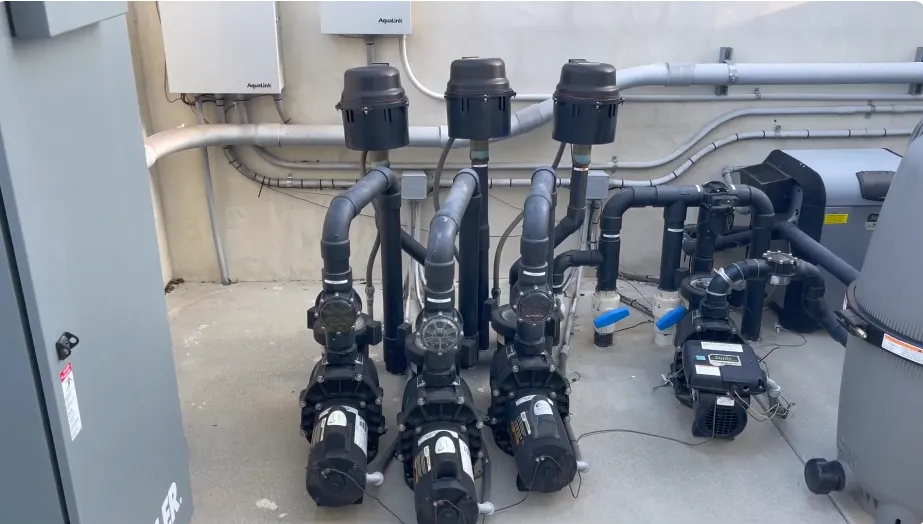
- Hotels and commercial pools: pools, spas and equipment rooms that run 24/7.
How Is Commercial Leak Detection Done?
- Usage review. Water bills and meter readings show when the loss started and how fast water is going.
- System mapping. Meters, main valves, building branches, backflow devices and irrigation are located. Old as-built drawings help if available.
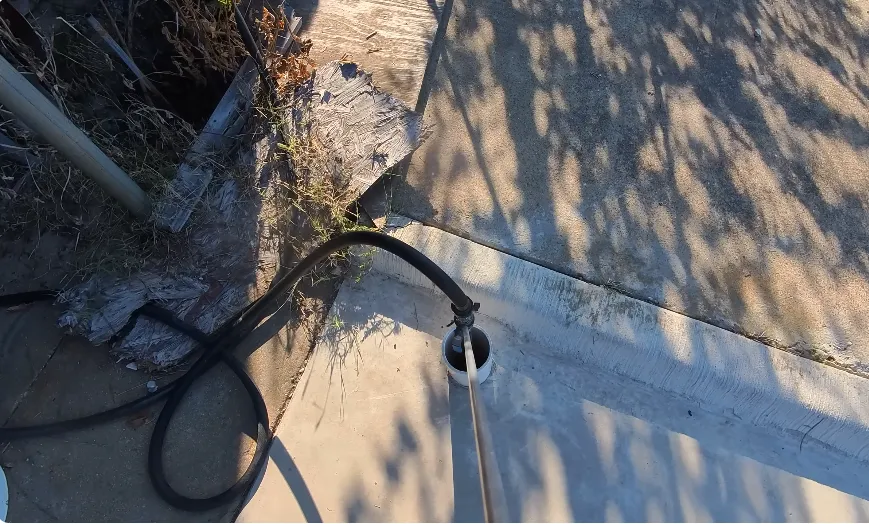
- Section isolation. Valves are closed in sequence to find which building, floor or branch is leaking.
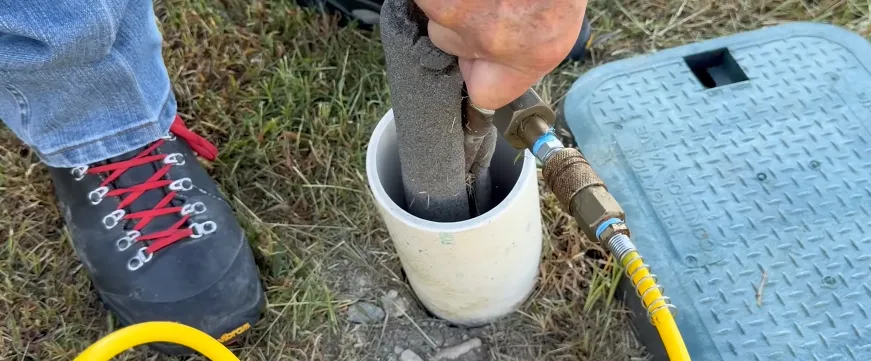
- Pressure testing of the isolated section confirms the leak.
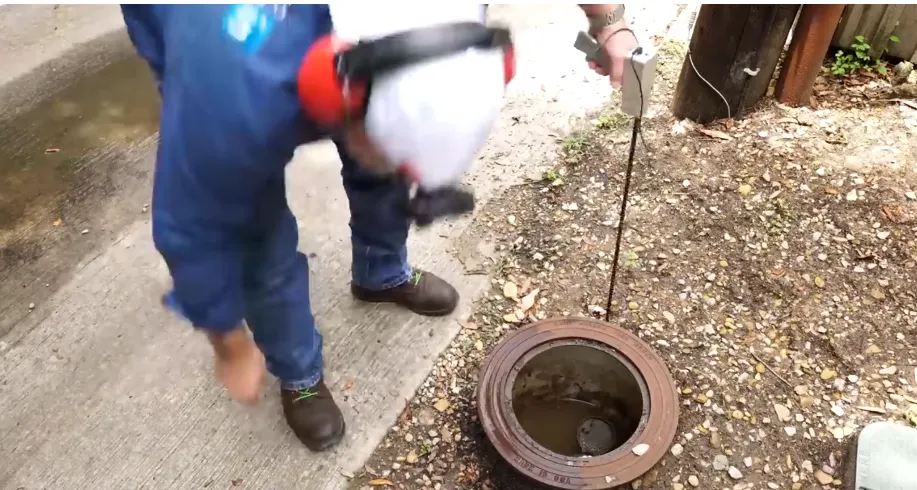
- Pinpointing with ground microphones, electronic correlation on long runs, thermal imaging and tracer gas.
- Documentation: marked locations, photos and notes for owners, managers, contractors and insurers.
It's the same confirm-then-pinpoint method used for homes across our leak detection Plant City FL network, scaled up for larger systems.
What Are the Warning Signs for a Business?
- Water usage up month over month with no change in operations
- The meter moving after hours when the building is closed
- Damp carpet, swollen baseboards or stained ceiling tiles
- Musty odors in offices, storage rooms or restrooms
- Cracks or wet spots in parking lots, sidewalks or landscaping
- Low water pressure in part of the building
- Pool or fountain levels dropping, or autofills running constantly
- Tenant complaints about water from above
What Should Property Managers and Adjusters Know?
For property managers, the value of leak detection is speed and paperwork. A clear report showing the source, location and extent helps you assign responsibility between units or tenants, schedule the right contractor, and keep owners informed.
For insurance adjusters and restoration teams, a documented cause and origin, which line failed and where, is often central to a claim. Providers can supply photos, moisture readings and marked locations. Our page on leak documentation for insurance explains what's typically included.
Pro tip: Read the main meter at closing time and again before opening. Any usage overnight in a closed building is a strong sign of a leak, and the difference tells the provider how big it is.
What About Rental Homes and Landlords?
Plant City has a large number of single-family rentals, and leaks there have a twist: the person who notices the problem, the tenant, isn't the one paying for the repair, and the person paying, the owner, may live elsewhere. A tenant might report "the floor feels warm" or "the bill is high" without knowing it points to a slab leak.
For landlords and rental managers, a quick meter check at each turnover and after any tenant complaint catches most hidden leaks early. When a leak is found, written findings with photos make it easier to approve the right repair remotely and keep a record for the property file. The same steps work across a small portfolio of homes in different neighborhoods.
How Is the Visit Planned Around Business Hours?
Many commercial tests require shutting off water to part or all of a building. Providers usually plan around operations: early mornings, after closing, or weekends for restaurants and retail. Sections are tested one at a time so most of the building stays in service.
- Schedule a window when a shut-off is acceptable.
- Give access to meters, valve rooms, roof hatches and equipment rooms.
- Share any drawings and the history of past leaks or repairs.
- Have a contact on site who can unlock rooms and answer questions.
What Shapes a Commercial Leak Search?
| Factor | Why it matters |
|---|---|
| Building size and number of branches | More sections to isolate and test. |
| Access windows | Shut-offs may need to happen after hours. |
| Drawings and valve locations | Known valves make isolation much faster. |
| Surface type | Parking lots and thick slabs need careful listening or tracer gas. |
| Special systems | Fire sprinklers, chilled water and commercial pools need dedicated tests. |
Call (813) 303-9621 for a free quote for your property.
When Is a Commercial Leak an Emergency?
Water through ceilings over customers or inventory, flooding in a kitchen or restroom, a broken main in the parking lot, or water near electrical rooms needs immediate action. Close the building's main valve if it's safe, protect people and stock, and call for 24/7 emergency leak detection.
Warning: Never shut off a fire sprinkler supply without following your fire protection company's and local fire authority's procedures. An impaired sprinkler system creates a serious safety risk.
Commercial Leak Detection FAQs
Can leaks be found without closing my business?
Usually yes. Providers isolate and test one section at a time and can schedule shut-offs early, after closing or on weekends.
Why do commercial leaks go undetected longer?
Responsibility is spread among tenants, staff and owners, and bills often aren't compared closely. Leaks under slabs or in long service lines can run for months before anyone notices.
Do you handle leaks between condo or apartment units?
Yes. Providers test the unit above, shared walls and common lines to determine where the water is coming from.
Can you provide documentation for insurance?
Many providers supply written findings with photos, readings and marked locations that help with insurance claims and contractor scheduling.
Do you test commercial pools and fountains?
Yes. Commercial pools, spas and water features are tested with dye, hydrophones and line-by-line pressure testing.
How do I get a quote for commercial leak detection?
Call (813) 303-9621 to be connected with a local provider who can give you a free quote based on your property.