On this page
Leak only after showers?
Call now to be connected with a provider for shower pan and bathroom leak testing.
(813) 303-9621Free call connection · Open 24/7 · Plant City, Brandon, Valrico, Seffner & DoverShower pan leak testing finds out whether water is escaping through the waterproof liner under a tiled shower floor, the drain connection, the mixing valve and supply lines inside the wall, or failed grout and caulk. Each is tested on its own, with a flood test for the pan, a pressure test for the valve, and a spray test for walls and the door, so the repair targets the actual failure.
What Is a Shower Pan and Why Does It Fail?
A tiled shower floor isn't waterproof by itself. Tile and grout let some water through, so beneath them sits a waterproof layer, the shower pan or liner, sloped toward the drain. Water that gets through the grout runs down to the liner, then out through weep holes in the drain. When the liner tears, is punctured, or wasn't sealed properly at the drain or curb, water escapes into the subfloor, the slab or the wall next to the shower.
Shower pan leaks have one signature: they appear only when the shower is used and dry out between uses. That makes them easy to confuse with a supply leak in the wall or a slab leak, which runs whether or not anyone showers. Testing each part separately is what tells them apart.
Where Do Bathroom Leaks Come From?
| Source | When it leaks | Typical clue |
|---|---|---|
| Shower pan / liner | When water sits on the floor | Damp floor or baseboard outside the shower, stain below |
| Drain connection | When water goes down the drain | Stain on the ceiling below an upstairs shower |
| Mixing valve / supply lines | Under pressure, often all the time | Wet wall behind the valve, meter moves with all off |
| Grout, caulk and tile | When walls get sprayed | Loose tile, dark grout lines, wet wall cavity |
| Door or curtain splash | During showers | Water on the floor at the door corners |
| Tub overflow / drain | When the tub is filled high | Stain below only after baths |
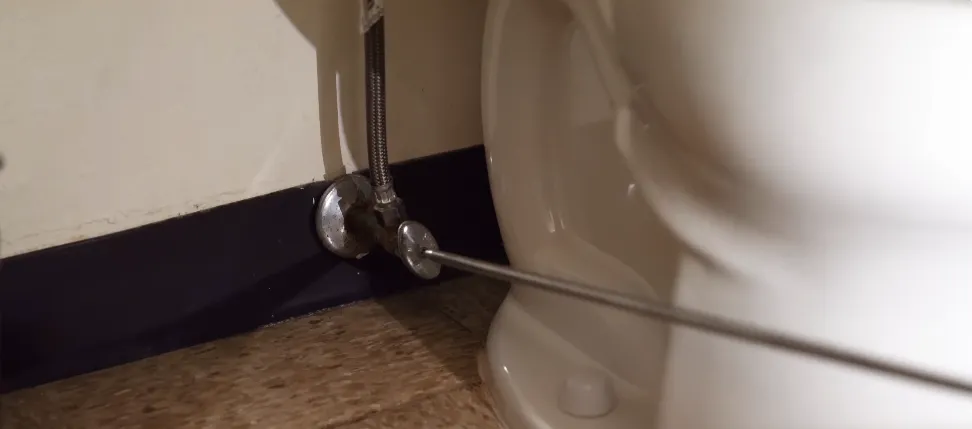
| Toilet wax ring / supply | On flush or constantly | Rocking toilet, wet floor at the base |
How Is a Shower Pan Leak Tested?
- Flood test. The drain is plugged and the shower floor is flooded to just below the curb. The level is marked and watched for several hours. A drop, or moisture showing up outside the shower, confirms a pan or curb leak.
- Drain test. With the floor dry, water is run directly into the drain to check the drain connection without wetting the pan.
- Valve and supply test. The shower valve is checked with a pressure test and an acoustic probe on the valve body and trim screws to hear a pressurized leak in the wall.
- Spray test. Walls, niches, corners and the door are sprayed one section at a time while moisture readings are taken outside.
- Moisture mapping. Meters and a thermal camera show how far water has spread into the subfloor, walls and nearby rooms.
Separating these sources is the core of good hidden leak detection in bathrooms, and it's what lets a repair focus on one part instead of tearing out the whole shower.
What Are the Signs of a Shower or Bathroom Leak?
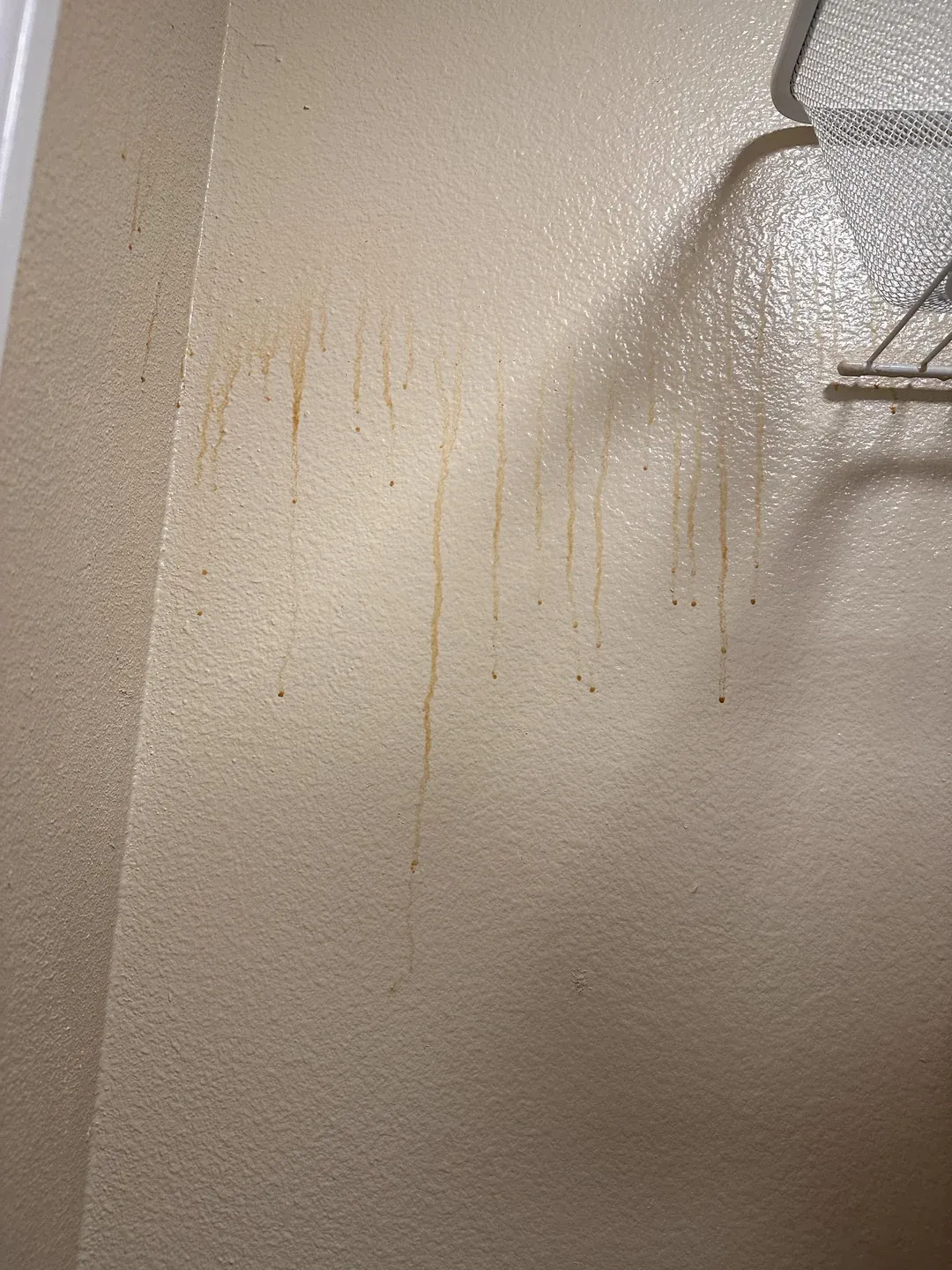
- A stain on the ceiling below an upstairs bathroom
- Damp or swollen baseboards outside the shower
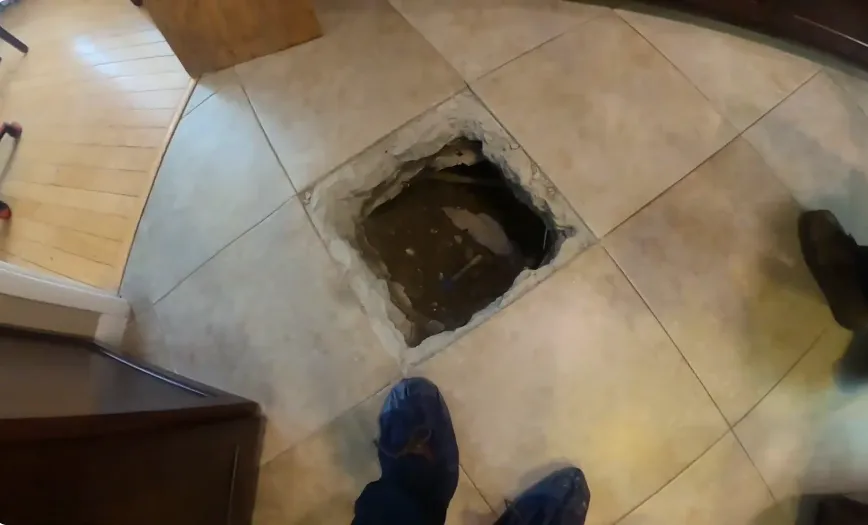
- Loose, cracked or hollow-sounding floor tiles
- Grout that stays dark long after showers or keeps cracking
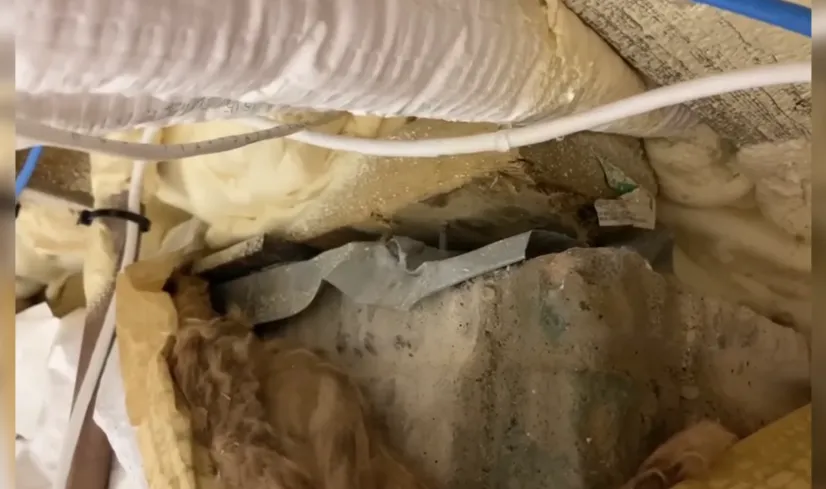
- Mold or mildew at the base of the wall or in the next closet
- Musty smell in the bathroom that cleaning doesn't fix
- Peeling paint or soft drywall on the other side of the shower wall
- A toilet that rocks or has water around its base
Why Do Bathroom Leaks Happen in Plant City Homes?
Age. Older shower pans made of lead, copper or early vinyl liners eventually crack or corrode. Many showers in established neighborhoods are original to the house.
Installation. Pans that weren't sloped, sealed at the drain, or carried up the walls and over the curb correctly can leak from day one. In newer homes, this is one of the most common leak calls, which makes it worth checking while builder coverage is active in communities like Varrea.
Movement. Slab movement in sandy soil can crack tile and grout, letting water reach the liner faster and stressing the drain connection.
Valve wear. Cartridges and seals in mixing valves wear out, and connections behind the wall can corrode.
Humidity. In Florida's climate, a wet wall or subfloor dries slowly and mold follows quickly.
What Can You Check Yourself?
- Run only the shower head against the back wall with the door closed for 10 minutes, then check outside for moisture.
- Plug the drain and let an inch of water sit on the floor for an hour. A damp spot outside means the pan or curb.
- Run water straight down the drain without wetting the floor and check the ceiling or wall below.
- Do a meter test with everything off to rule out a pressurized supply leak.
- Check the toilet: gently rock it and look for water at the base; do a dye test in the tank.
Pro tip: Keep a dry towel on the floor outside the shower for a few days. Where it gets wet, and when, often points straight at the source.
What Happens During the Visit?
- Moisture readings around the bathroom and adjoining rooms.
- Separate tests for the pan, drain, valve, walls and door.
- Thermal imaging to see how far water has spread.
- Findings with photos and repair options, from regrouting and resealing to replacing a valve or rebuilding the pan.
Call (813) 303-9621 for a free quote from a local leak detection company serving your area.
When Is a Bathroom Leak Urgent?
Water dripping through a ceiling below a bathroom, a sagging ceiling, or water reaching electrical fixtures should be dealt with right away. Stop using that bathroom, shut off the supply to it if you can, and call for emergency leak detection.
Warning: Don't keep using a shower that you know is leaking into the floor or wall. Every use adds water to materials that are already wet and growing mold.
Shower Pan & Bathroom Leak Detection FAQs
How can I tell a shower pan leak from a slab leak?
Shower pan leaks happen only when the shower is used and dry out between uses. Slab leaks continue all the time and move the water meter with everything off.
Can grout alone cause a shower leak?
Cracked grout and failed caulk let water into the wall and onto the liner faster. On walls without proper waterproofing, they can cause leaks on their own. Testing separates grout problems from pan failures.
Does a leaking shower pan mean replacing the whole shower?
Not always. Some leaks are at the drain or curb and can be repaired locally. A torn or failed liner usually means rebuilding the shower floor. Accurate testing tells you which.
Why is there a stain on my ceiling below the bathroom?
Common causes are a leaking shower pan, drain connection, tub overflow, toilet wax ring or supply valve. Testing each one separately finds the source.
Can a bathroom leak cause mold?
Yes. Wet subfloors and wall cavities in Florida humidity can grow mold within a day or two.
How do I get a quote for shower pan testing?
Call (813) 303-9621 and mention which bathroom is affected and when the leak shows up. You'll be connected with a local provider who can give you a free quote for testing that shower or tub.