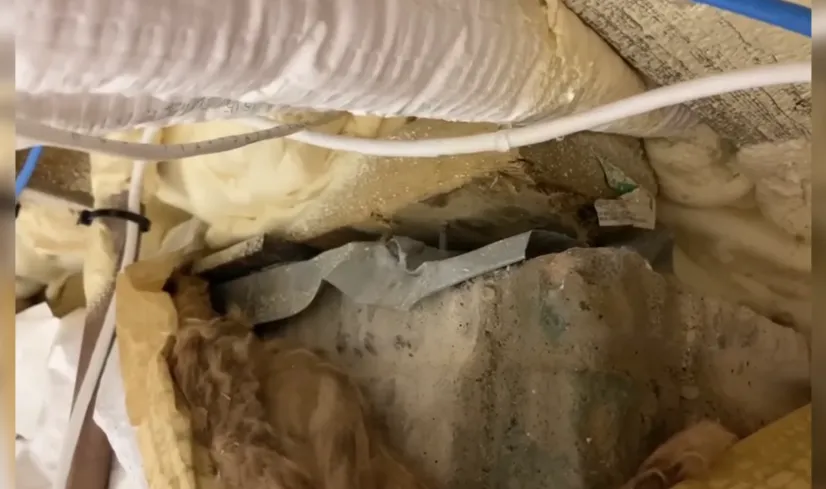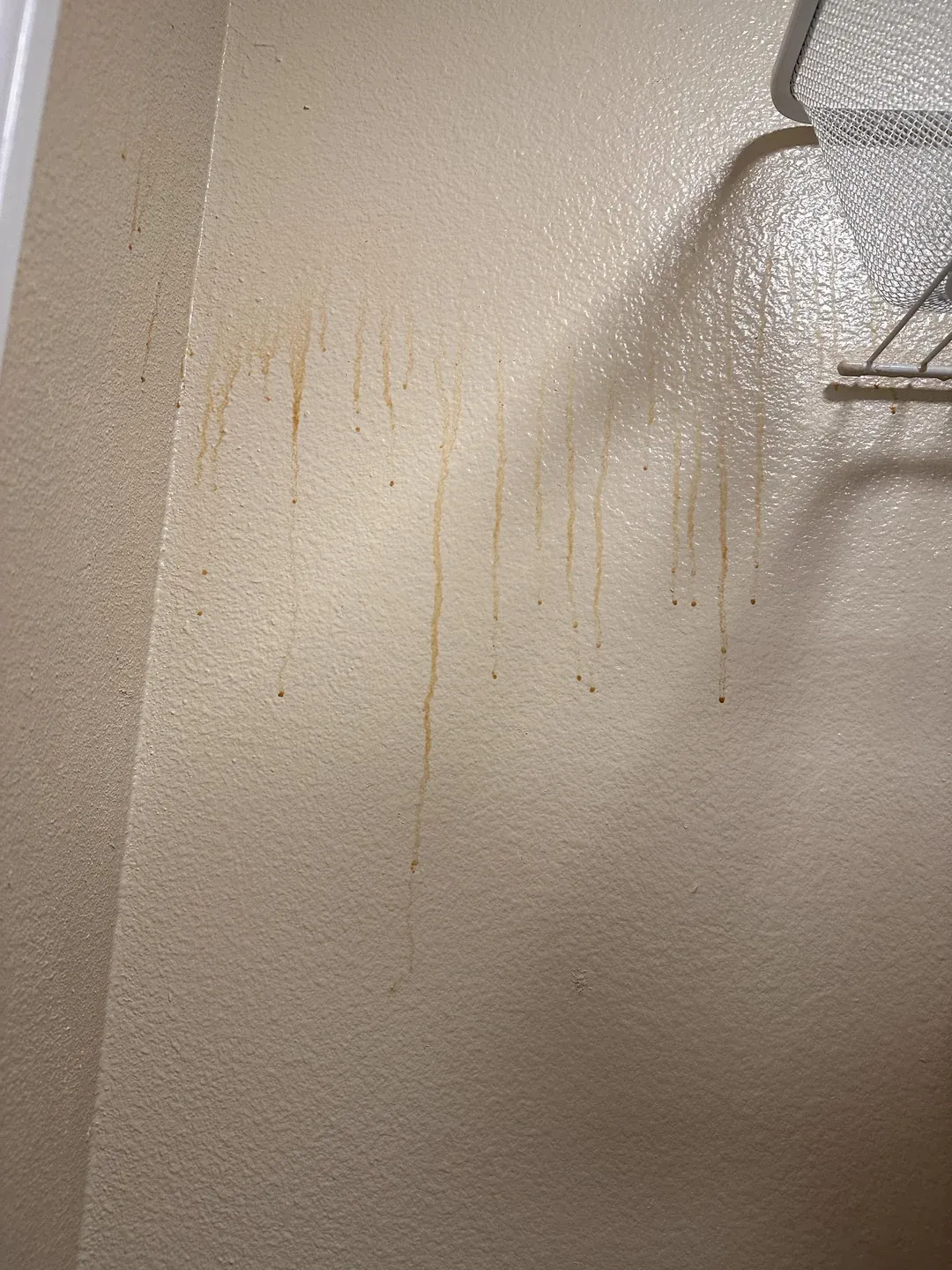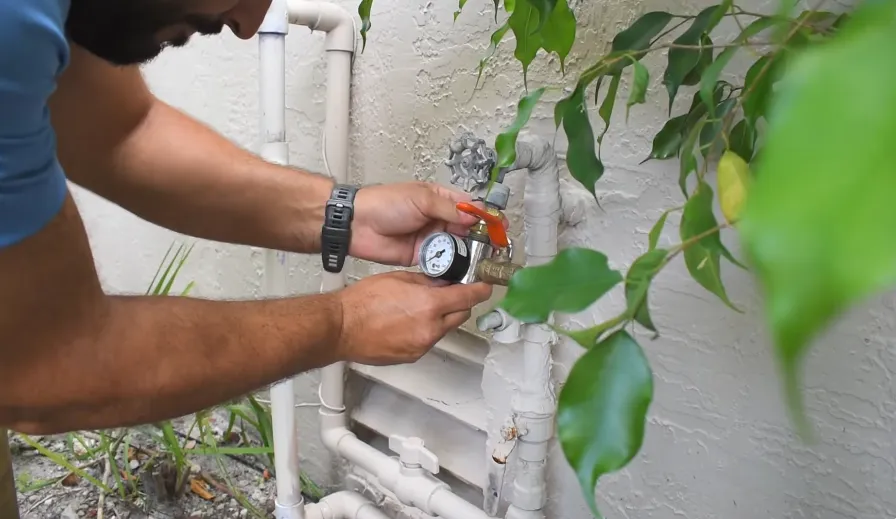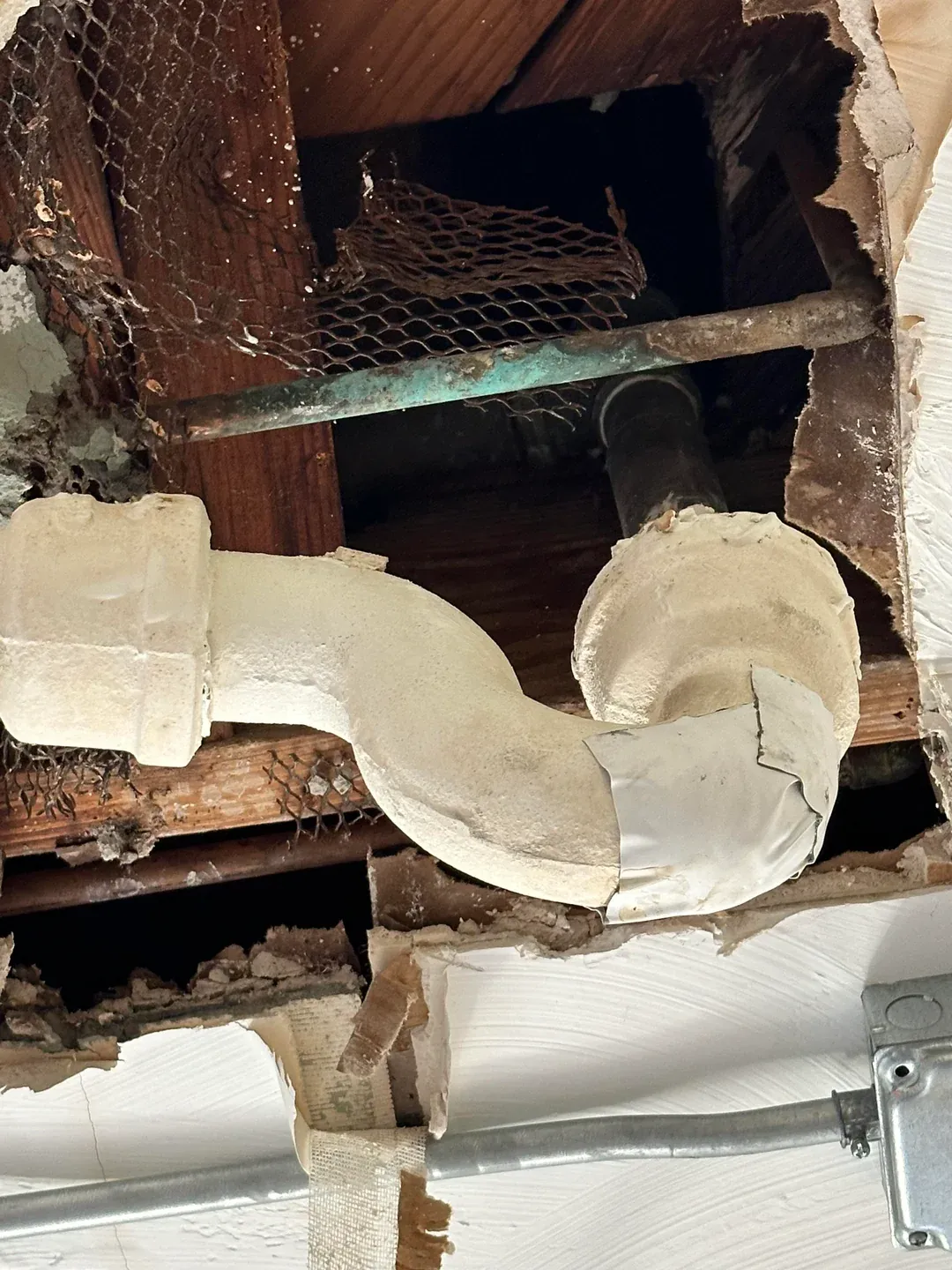
A ceiling water stain in a Florida home is most often caused by a roof leak, an AC condensate overflow, a leaking water supply line in the attic, a bathroom or shower above, a leaking toilet or tub drain on a second floor, or condensation on ducts and pipes. Timing is the best clue: stains that appear after rain point to the roof; stains that grow in dry weather point to plumbing or the AC.
- Timing tells you a lot: after rain, during AC use, or constantly.
- Many Florida homes have AC air handlers and water lines in the attic.
- A stain under a bathroom is often a drain, wax ring or shower leak.
- A bulging or sagging ceiling is an emergency; keep everyone out from under it.
Start With Timing
Appears after rain: likely the roof, flashing, a vent boot or a window above.
Grows on hot days when the AC runs hard: likely condensate from the air handler or sweating ducts.
Grows after showers or flushes upstairs: likely a drain, wax ring or shower pan leak.
Grows steadily no matter what: likely a pressurized water supply line. Check the water meter with everything off.
The 6 Most Likely Causes
1. Roof leaks. Damaged shingles, lifted flashing or cracked pipe boots, common after storms. These need a roofer, not a plumber.
2. AC condensate. The air handler in many Florida homes sits in the attic or a closet, with a drain pan and condensate line. A clogged line or rusted pan overflows onto the ceiling below. This is one of the most frequent causes in Central Florida.
3. Attic water lines. Some homes have supply lines routed through the attic, especially after a repipe or reroute. Heat in a Florida attic and fittings that age can lead to leaks.
4. Bathroom above. Failed grout, caulk or a shower pan lets water reach the ceiling below. See shower pan leaks.
5. Toilet and drain leaks. A wax ring, a cracked drain fitting or a slow drain leak upstairs.
6. Condensation. Uninsulated cold-water pipes or ducts can sweat in humid air, dripping onto drywall.
If the Ceiling Is Bulging
Safety first: A ceiling bulging with water can give way. Keep people and pets out from under it, turn off power to light fixtures in that ceiling, and place a bucket below. Shut off the water if you suspect a supply line, and call.
Read is my leak an emergency for more guidance.
What You Can Check
- Do a water meter test with everything off.
- Look in the attic, carefully and only on joists, for wet insulation, the AC drain pan and any pipes above the stain.
- Check that the AC condensate line is draining outside.
- If a bathroom is above, run the shower, then the tub, then flush, and watch for changes.
- Note whether the stain changes after rain.
How the Source Is Traced
A provider uses moisture meters and thermal imaging to map the wet area, then follows it back toward the source, often a different spot from where the stain shows, because water runs along joists and pipes before dripping. Pressure tests separate supply leaks from drains, and flood or dye tests check showers and tubs. That way, only the right section of ceiling is opened. More on our hidden water leak detection page.
After the Repair
Once the source is fixed, the ceiling and any wet insulation need to dry. A stain-blocking primer before repainting keeps the ring from bleeding through. If the drywall is soft or sagging, it should be replaced rather than painted.
Frequently Asked Questions
How do I know if a ceiling stain is from the roof or plumbing?
If it appears after rain, suspect the roof. If it grows in dry weather or the water meter moves with everything off, suspect plumbing.
Can my AC leak through the ceiling?
Yes. A clogged condensate line or rusted drain pan in the attic can overflow onto the ceiling.
Is a small ceiling stain urgent?
It means water got there. Find out why soon, since hidden water can spread and cause mold.
Can I just paint over a ceiling stain?
Only after the source is fixed and the area is dry. Otherwise the stain returns and the damage continues.
Why is the stain not directly under the leak?
Water travels along joists, pipes and the back of drywall before it drips, so the stain can be some distance from the source.