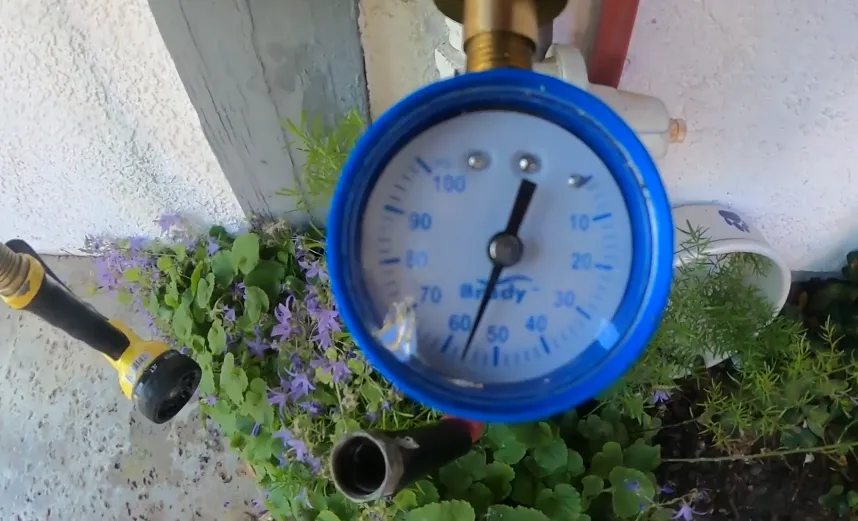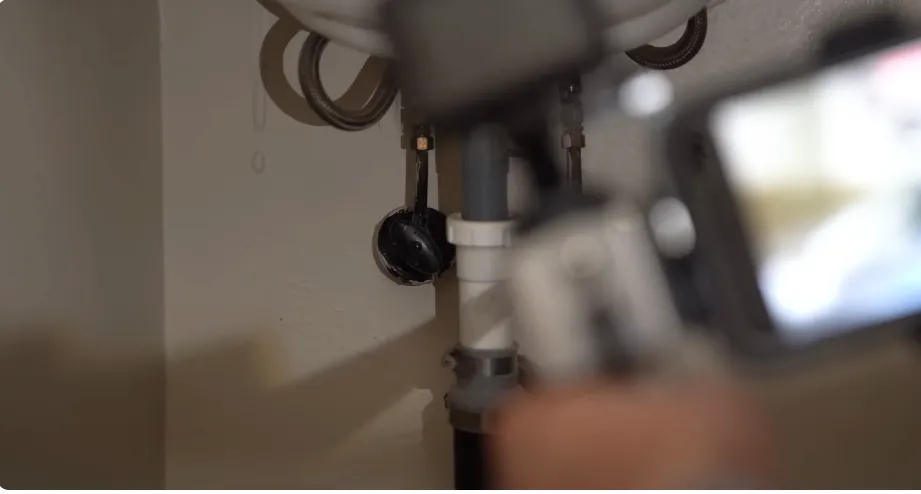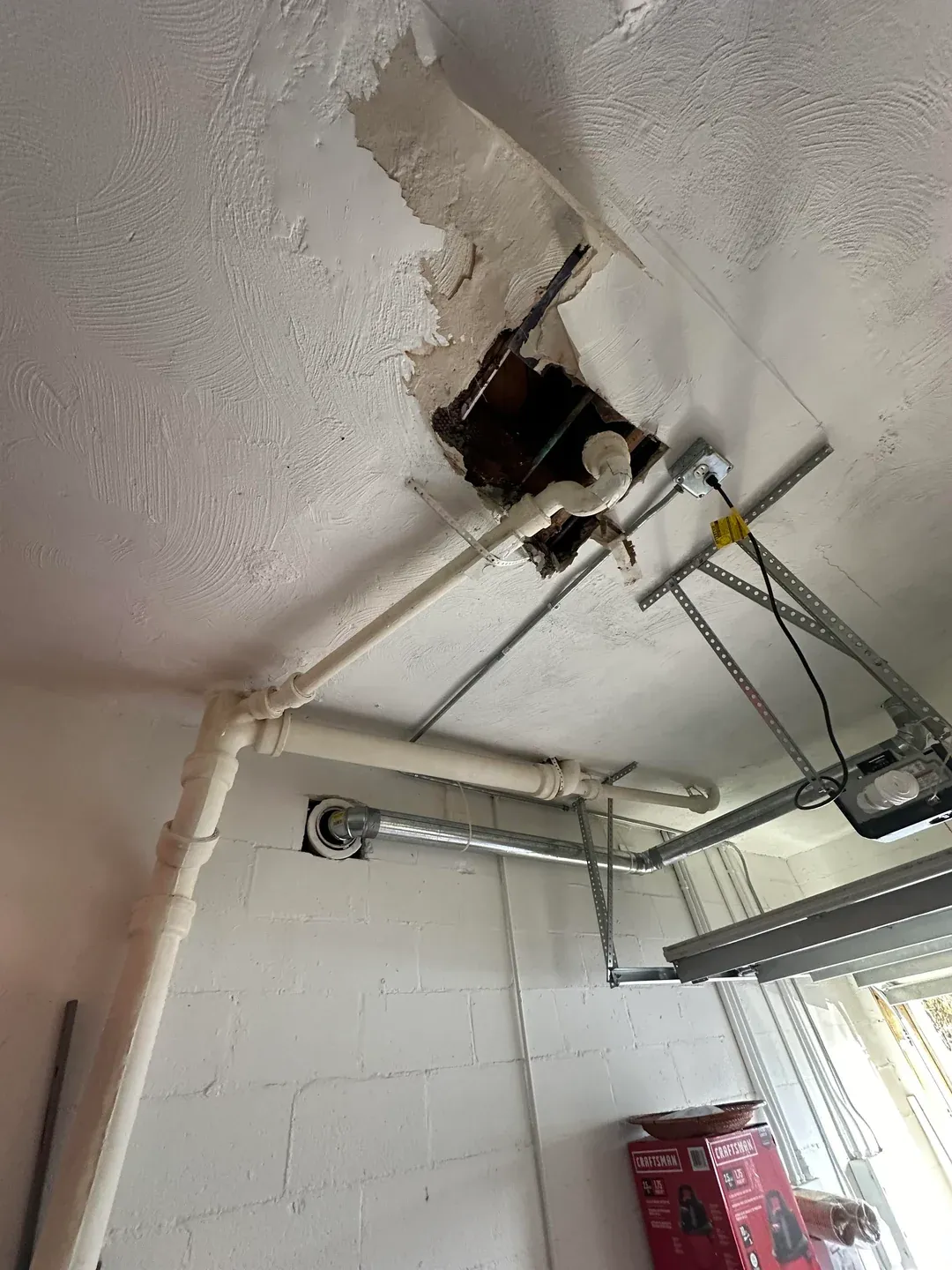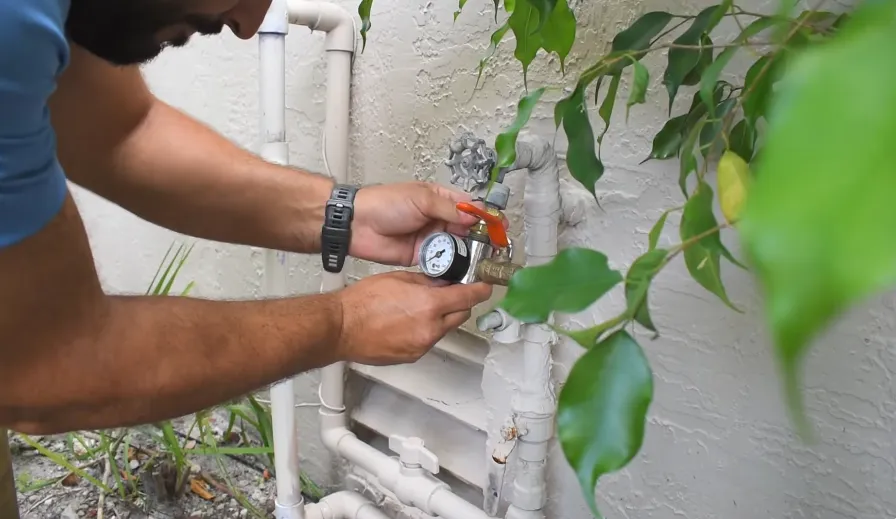
An annual home leak checklist for a Plant City home covers a whole-house meter test, every toilet, faucet and fixture, under-sink cabinets, the water heater and its relief valve, the AC condensate drain, appliance hoses, the main shut-off valve, the pool and its equipment, the irrigation system, the backflow device, and the yard over the service line. Add a check before and after hurricane season and after any cold snap.
- Start and end with the water meter test.
- Replace rubber appliance hoses with braided ones.
- Exercise your main shut-off valve while you're at it.
- Time extra checks to hurricane season and rare freezes.
Start With the Meter
Do a water meter leak test with all water off. It gives you a baseline: if the meter is still, your system is tight right now. If it moves, use the rest of this checklist to find out where.
Kitchen
- Under the sink: supply stops, faucet lines, drain joints, garbage disposal, and the cabinet floor
- Dishwasher: supply and drain connections, and the floor in front
- Refrigerator: ice maker and water dispenser line, and the floor behind
- Faucet: drips at the spout and around the base
Bathrooms
- Dye test every toilet; check the base for rocking, stains or soft flooring
- Faucets and showerheads for drips
- Grout and caulk around tubs and showers
- Walls behind showers and on the other side for stains or bubbling paint
- Under vanities for drips and swollen cabinet floors
See signs of a leak behind a wall for what to look for.
Laundry and Water Heater
- Washer hoses: replace cracked or bulging rubber hoses; braided stainless hoses are more durable
- Water heater: drips at fittings, rust at the base, water in the drain pan, and the relief valve discharge line
- Water softener or filter: connections and drain line
AC System
In Florida, the AC condensate drain is a frequent source of water damage. Check that the condensate line drains freely outside, the drain pan under the air handler is dry and not rusted, and any float switch is working.
Outside the House
- Hose bibs for drips and loose handles
- The main shut-off valve: close and reopen it to keep it working
- The meter box: lid intact, no water standing inside
- The yard along the service line for wet or green strips
- Irrigation: walk every zone; see testing irrigation zones
- Backflow device for drips or cracks
- Pool: bucket test, equipment pad, deck cracks
Seasonal Add-Ons for Plant City
Before June: the hurricane season checklist, including shut-off valves and outdoor equipment.
After summer storms: meter test and a yard walk for damage from fallen trees or shifting soil.
Before a forecast freeze: cover hose bibs and backflow devices, especially on rural properties.
Dry spring months: watch the water bill, since irrigation and pool use climb.
When to Get a Professional Inspection
Consider a professional whole-home leak inspection if you're buying or selling, if the home is older with original plumbing, after a leak or insurance claim, or if you own a seasonal home that sits empty part of the year. A provider tests the system under pressure and checks areas you can't easily reach.
Frequently Asked Questions
How often should I check my home for leaks?
Do a full walkthrough once a year, a quick meter test a few times a year, and extra checks after storms and freezes.
What's the most overlooked leak source?
Toilets and AC condensate drains are common ones, because they leak quietly.
Should I replace my washer hoses?
Inspect them yearly and replace cracked or bulging hoses. Many homeowners switch to braided stainless hoses.
Is a professional inspection worth it?
It's especially useful when buying a home, for older plumbing, or after a previous leak.
What should I do if I find a leak?
Shut off the water to that fixture or the main if needed, then call to have it pinpointed and repaired.