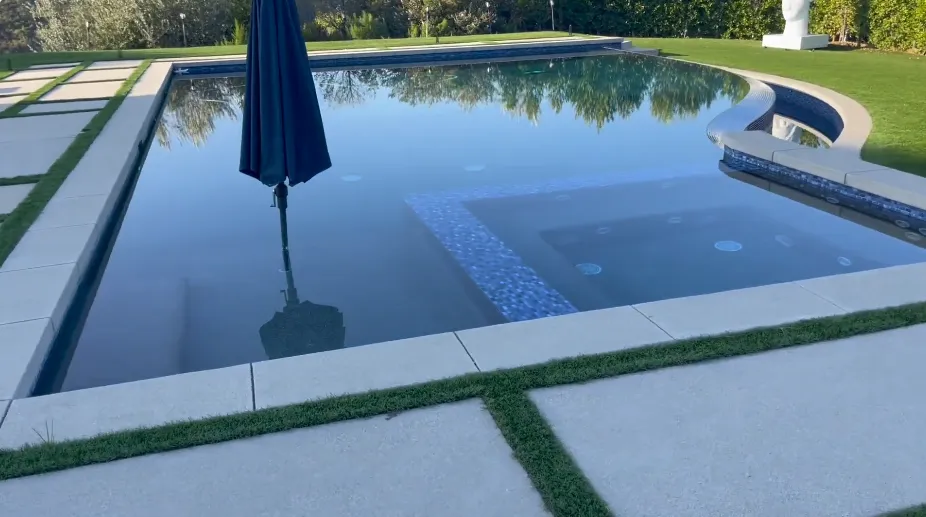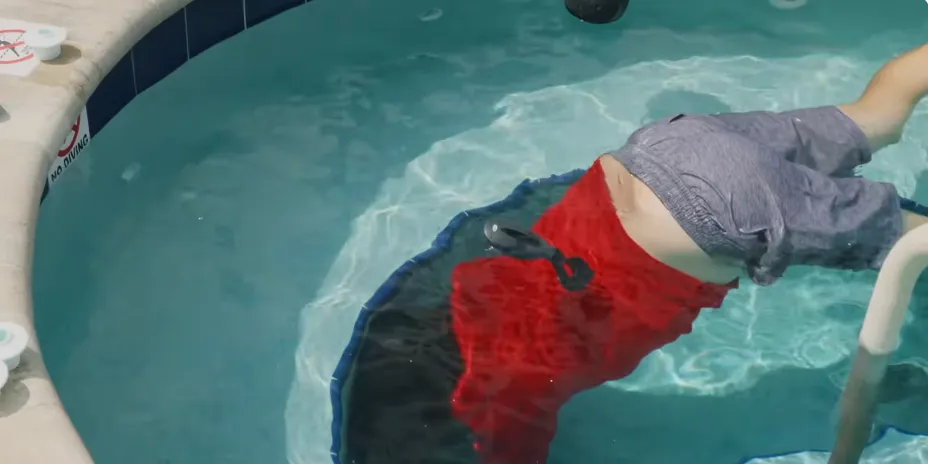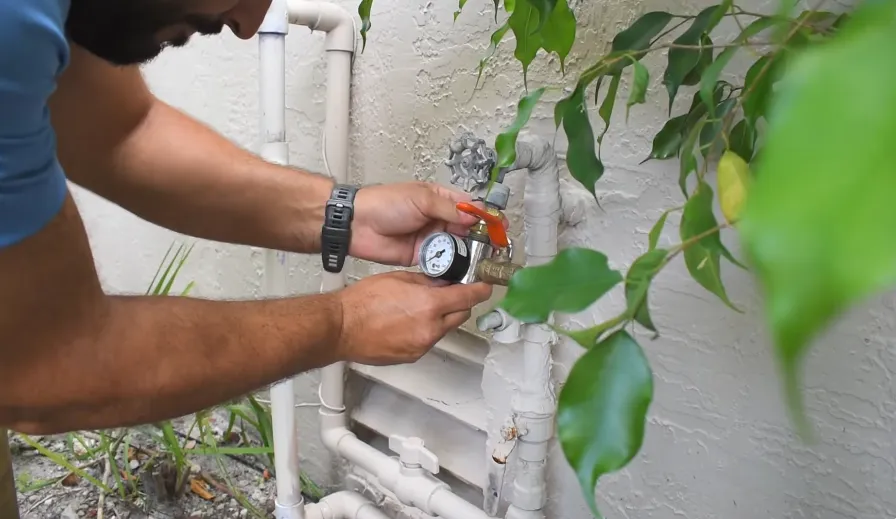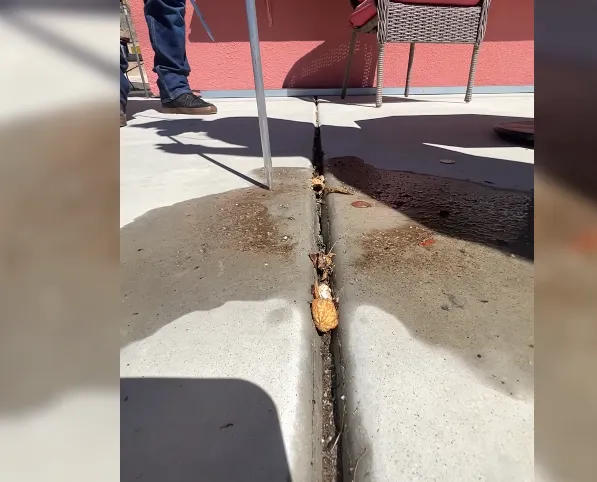
Evaporation depends on sun, heat, wind, humidity and water features, and it rises and falls with the weather. A leak takes water at a steadier rate regardless of weather, often stops at a certain level (like the bottom of the skimmer or a light), and comes with signs such as wet ground near the equipment, deck cracks, air in the pump, or loss that changes when the pump is on or off. A bucket test is the clearest way to tell them apart.
- Evaporation tracks the weather; leaks don't.
- Water that stops dropping at a certain level points to a leak at that height.
- Waterfalls, spillovers and heaters increase evaporation.
- Run a bucket test before calling, and share the results.
What Drives Evaporation in Plant City
Central Florida pools sit in strong sun for much of the year. Evaporation increases with water temperature, sun exposure, wind across the surface and low humidity. That's why many pools lose more water during the dry, breezy spring than in the humid summer rainy season, when afternoon storms also refill them. Water features add to the loss: a waterfall, sheer descent, spa spillover or fountain spreads water into thin sheets and droplets that evaporate fast. A heated pool or spa evaporates more than an unheated one, especially on cool nights.
Tip: A pool cover reduces evaporation significantly. If you use one and the pool still loses a lot of water, that points more strongly to a leak.
Signs It's a Leak, Not Evaporation
- The loss doesn't change with the weather. Cool, cloudy, humid days and hot sunny days lose about the same.
- The water stops at a level, like the skimmer opening, a light, or a return fitting. The leak is often at that height.
- Wet or soggy ground around the equipment pad, along plumbing routes, or at the base of the deck.
- Cracks or gaps in the shell, tile line, or between the deck and coping.
- Air bubbles in the pump basket or at return jets, which can mean a suction-side leak.
- Algae that keeps coming back, or chemicals that never stay balanced, because fresh water keeps diluting them.
- A higher water bill because the autofill keeps topping up.
Where the Water Stops Tells a Story
If you let the pool drop without refilling, with the autofill off, and the level settles and stops, the leak is often at or near that line. Settling around the skimmer opening suggests the skimmer or its throat. Stopping at the light points to the light niche or conduit. If it keeps dropping below every fitting, the main drain, floor plumbing or a shell crack becomes more likely. Don't let a pool drain too low; vinyl and some shells can be damaged.
Pump On vs. Pump Off
Comparing loss with the pump running and with it off gives another clue. More loss with the pump on suggests the pressure side, the return lines and equipment after the pump. More loss with the pump off can point to the suction side. Similar loss either way suggests the shell or a fitting. Our bucket test guide and calculator shows how to run both tests.
Rain Complicates Everything
Summer afternoon storms in Plant City can add water as fast as a leak takes it out, hiding the problem for months. Then the dry season arrives and suddenly the pool needs constant refilling. If you're unsure, test during a dry stretch and turn off the autofill.
When to Call
If the bucket test shows the pool losing more than the bucket, or you see any of the signs above, it's time for pool leak detection. Finding it early protects the soil under the deck and shell and keeps chemical and water use down.
Frequently Asked Questions
Is it normal to add water to my pool every week?
In dry, hot or windy weather it can be, especially with water features. Do a bucket test to be sure it's evaporation.
Why does my pool lose more water in spring?
Spring in Central Florida is often dry and breezy, which increases evaporation, and there's less rain to refill the pool.
Can a leak stop on its own?
A leak may seem to stop when the water drops below it. That level is a useful clue for finding it.
Does a pool cover help?
Yes. A cover reduces evaporation, which also makes leaks easier to spot.
Could my autofill be hiding a leak?
Yes. An autofill tops up whatever is lost, so a leak shows up on your water bill instead of the pool level.