A commercial leak prevention plan includes an up-to-date map of shut-off valves and meters, a routine of after-hours meter readings, scheduled inspections of restrooms, equipment, roofs and irrigation, leak sensors in high-risk areas, clear tenant reporting procedures, and a response plan with contacts for leak detection, plumbing and restoration. Documenting everything also helps with insurance.
- Map every shut-off and meter, and keep the map accessible.
- Regular after-hours meter readings catch hidden leaks early.
- Make it easy for tenants to report leaks.
- Have a response plan and contacts ready before you need them.
1. Map Your Water System
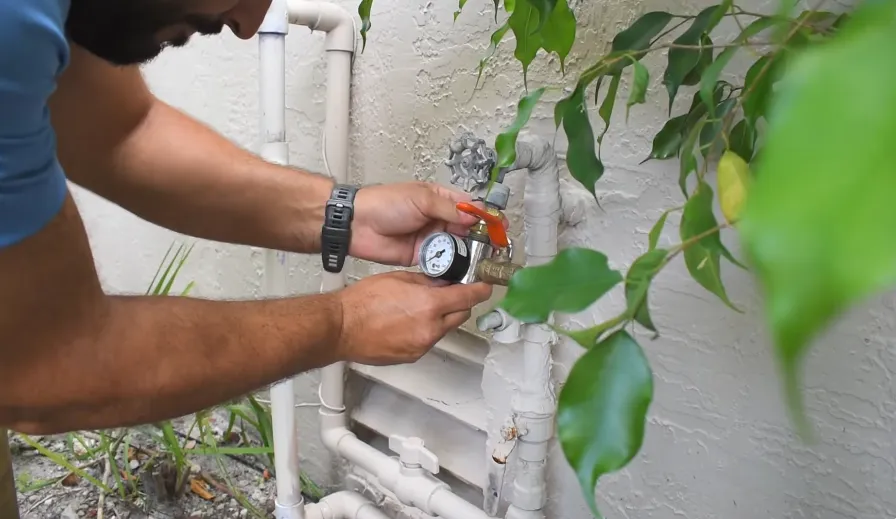
Create a simple document with the location of every water meter (domestic, irrigation, fire), the main shut-off, branch and floor shut-offs, water heaters, backflow devices and cleanouts. Add photos. Make sure on-site staff and after-hours contacts know where it is. If valves are missing or stuck, schedule replacements; a valve that doesn't work is a common reason small leaks become big losses. Our shut-off valve guide covers the basics.
2. Monitor Usage
Track water bills month by month and compare them to the same months in previous years. Read meters after hours regularly. Sudden or steady increases point to leaks. Smart meters and building management systems can flag continuous flow automatically.
3. Schedule Inspections
- Monthly: restrooms, break rooms, mechanical rooms, water heaters
- Quarterly: irrigation zones, backflow devices, roof drains
- Annually: backflow testing as required, a walkthrough of the building envelope, and a review of any repeat issues
- After storms: roofs, ceilings, and a meter check for underground line damage
4. Add Sensors Where It Matters
Water sensors near water heaters, under sinks in tenant spaces, in mechanical rooms and near HVAC units can send alerts before water spreads. Automatic shut-off valves on high-risk lines add another layer. See our guide to automatic water shut-off valves.
5. Make Reporting Easy
Tenants often see a leak first: a dripping ceiling tile, a running toilet, a damp carpet. Give them a clear way to report it and encourage early reporting. In multi-unit buildings, leaks between units are common; see condo and unit-above leaks.
6. Have a Response Plan
- Who shuts off the water, and where
- Who to call for leak detection, plumbing repair and water restoration
- How tenants are notified
- How the damage is documented for insurance
When the source isn't visible, professional commercial leak detection pinpoints it, and documentation of the location and cause supports insurance claims.
Frequently Asked Questions
What's the first step in a leak prevention plan?
Map all meters and shut-off valves and make sure they work.
How often should we read meters after hours?
Regularly, such as weekly or monthly, and any time a bill looks high.
Are leak sensors useful in commercial buildings?
Yes, especially in mechanical rooms, near water heaters, and in areas that are unoccupied after hours.
Who is responsible for leaks between units?
It depends on leases, association rules and where the leak is. Finding the source first helps settle responsibility.
Can leak detection help with insurance claims?
Documentation of the leak's location and cause is often useful. Coverage decisions are up to your insurer.