Cast iron drain pipes were widely used in homes built before plastic (PVC and ABS) became common. Over time, cast iron can corrode from the inside, form scale that narrows the pipe, crack, and in severe cases develop channels along the bottom where the pipe has worn through. Under a Florida slab, failing cast iron leads to slow drains, backups, odors and leaks into the soil. A camera inspection shows the pipe's condition.
- Older homes are more likely to have cast iron drains under the slab.
- Corrosion and scale narrow the pipe from the inside.
- Recurring clogs and sewer odors can be early signs of failure.
- A camera inspection documents the condition before any decisions.
Does Your Home Have Cast Iron?
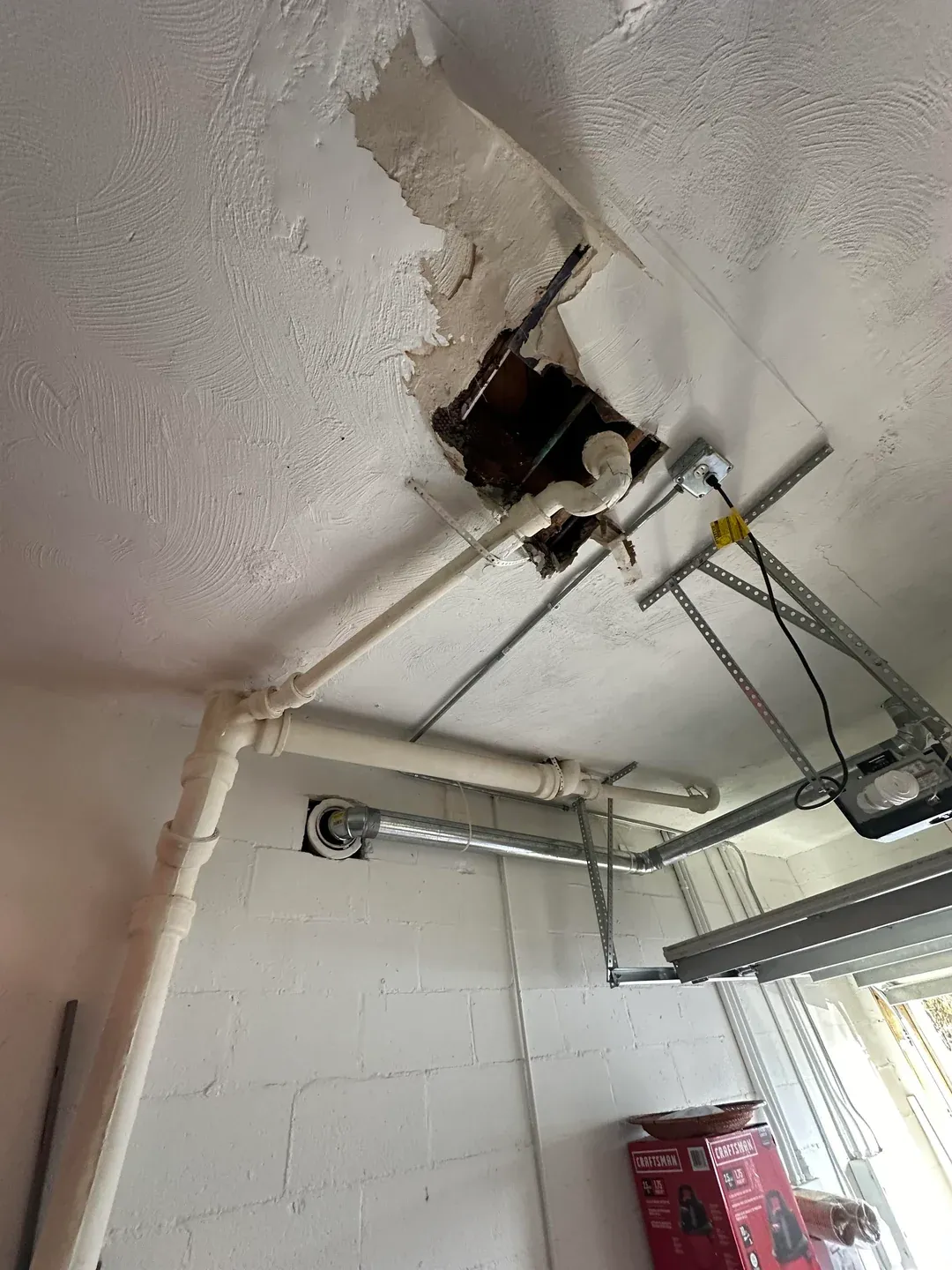
Homes built before plastic drain pipe became common often have cast iron drains. You can sometimes tell by looking at exposed drain pipes in a garage, utility room or under a sink: cast iron is heavy, dark gray or black, and rings like metal when tapped, while PVC is white and ABS is black plastic. Many homes have a mix, where some sections were replaced with PVC during repairs. Older neighborhoods around downtown Plant City are the most likely to have original cast iron, but the only way to be sure what's under the slab is a camera inspection.
How Cast Iron Fails
Internal corrosion and scale. Over decades, rust and scale build up inside, narrowing the pipe so waste catches and clogs form.
Channeling. The bottom of the pipe, which carries water constantly, can erode into a groove until it opens to the soil.
Cracks. Brittle, thinned pipe cracks from soil movement or settling slabs.
Joint failures. Joints between sections can loosen and let roots or soil in.
In Florida, the sandy soil under slabs moves with the wet and dry seasons, and a leaking drain can wash out soil, which makes settling and cracking worse.
Warning Signs
- Frequent clogs, especially in the kitchen and in fixtures at the far end of the house
- Slow drains in several fixtures
- Sewer odors inside, particularly near floor drains or the base of toilets
- Water backing up into tubs or showers
- Damp or discolored flooring, or cracks in the slab near bathrooms
- Insects or pests appearing near drains
For more on telling a simple clog from a line problem, see slow drains or a broken sewer line.
How It's Inspected
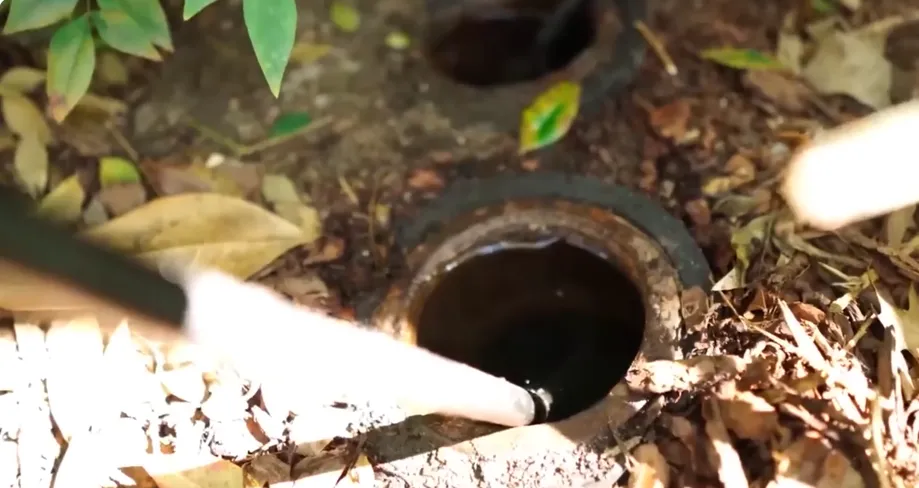
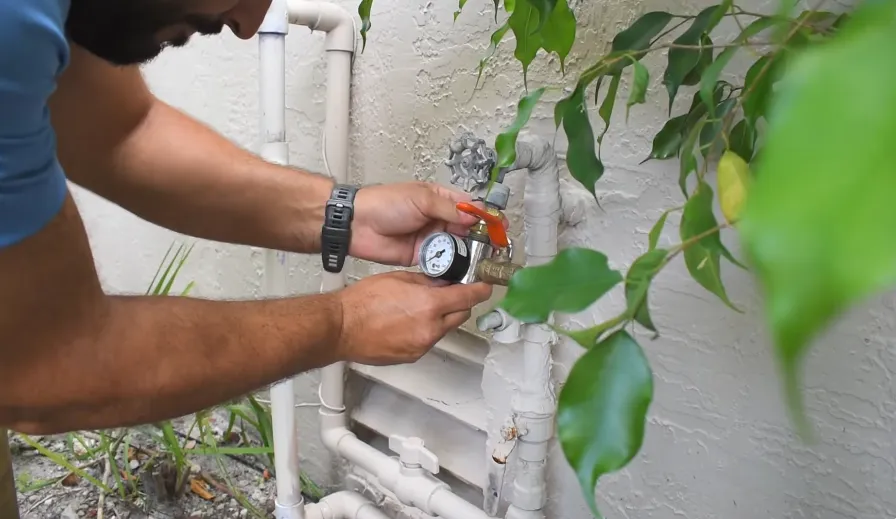
A camera inspection through a cleanout or a removed toilet shows the inside of the drain: scale, corrosion, cracks, channeling and root intrusion, with distance markers to show where problems are. For leaks under the slab, a hydrostatic drain test plugs the line and fills it with water to see if the level drops, confirming whether the drain system holds water. Our sewer camera inspection page describes what the footage shows.
What the Options Are
Depending on what the inspection shows, options range from cleaning and descaling, to spot repairs on a damaged section, to lining the pipe from the inside, to replacing the drain lines, sometimes by rerouting rather than breaking the slab. The right choice depends on how widespread the damage is. A provider can explain the options for your home after the inspection, and you can get a free quote by phone.
Buying an Older Home?
If you're buying a home of an age that might have cast iron, a camera inspection of the drains during the inspection period can reveal problems that a standard home inspection doesn't see. See pre-purchase leak inspection.
Frequently Asked Questions
How do I know if my drains are cast iron?
Look at exposed drain pipes: cast iron is heavy and dark gray or black. A camera inspection confirms what's under the slab.
Is cast iron bad?
It was a durable choice for decades, but it corrodes over time. Condition matters more than material, so inspection is key.
Can descaling help old cast iron?
Removing scale can restore flow if the pipe is still sound. A camera shows whether the walls are intact.
Do I have to break the slab to fix cast iron?
Not always. Lining or rerouting may be options, depending on the damage.
Should I inspect cast iron before buying a house?
It's a smart step for older homes, since drain problems aren't visible during a normal walkthrough.