In this guide
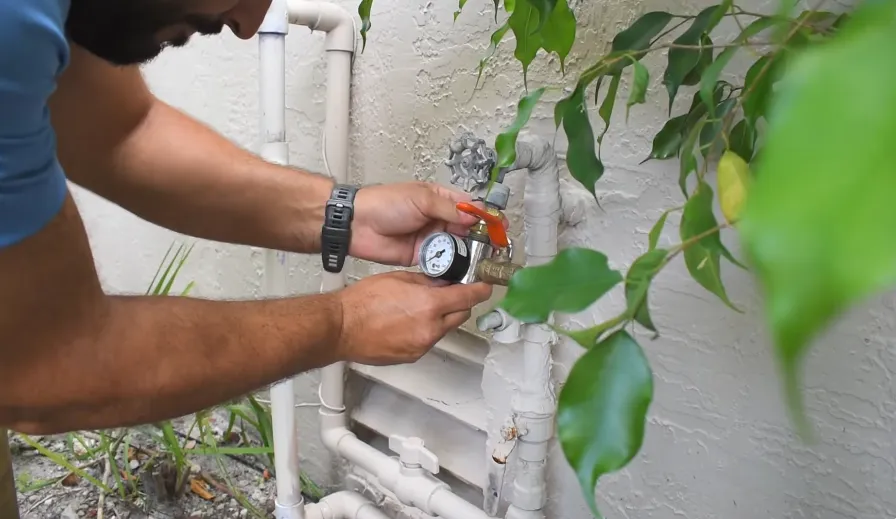
Most Plant City homes have two places to stop the water: a house shut-off valve where the supply line enters the home (often an outside wall near a hose bib, or in the garage near the water heater) and the valve at the meter box near the street. Close the house valve first. If you can't find it or it won't turn, the meter-side valve stops water to the whole property.
- Find your house shut-off today, before an emergency, and label it.
- Quarter-turn ball valves close with a 90° turn; older gate valves need several turns and can break if forced.
- The meter-side valve stops everything, but it may belong to your water utility, so use it only when you have to.
- On a private well, turn off the pump breaker as well as the valve.
- Turn off the water heater's power or gas if the water will be off for long.
Where the Shut-Off Usually Is on a Florida Slab Home
Plant City homes are almost all built on concrete slabs, with no basement, so the main supply line usually comes up out of the ground on the outside of the house. Walk the exterior and look for a pipe rising from the soil with a valve on it, often on the side of the house closest to the street and near an outdoor faucet. In many newer homes it's in the garage, close to the water heater, or behind a small access panel.
Older homes in neighborhoods like downtown Plant City sometimes have the valve in a less obvious spot, behind shrubs, under a utility sink, or in a small box in the ground next to the foundation. If you've renovated, check that the valve wasn't boxed in behind a wall. If you still can't find it, a plumber or leak detection provider can locate it during a visit, and it's worth asking them to mark it.
Tip: Take a phone photo of the valve with something recognizable in the frame, like the hose bib or water heater, and share it with everyone in the house.
Know Which Kind of Valve You Have
Ball valve (quarter-turn). A lever handle. When the lever is in line with the pipe, the water is on; turn it 90 degrees so it crosses the pipe, and the water is off. These are quick and reliable, and they're common in newer construction.
Gate valve (multi-turn). A round wheel handle that you turn clockwise several times to close. Gate valves are common in older homes, and Plant City's mineral-heavy water can build up scale inside them. A gate valve that hasn't been used in years may stick, or close only partly. Never use a pipe wrench to force one; a snapped stem can turn a small leak into a big one.
If your valve is an old gate valve that won't fully close, having it replaced with a ball valve is a small job that makes every future emergency easier.
The Meter-Side Valve: Your Backup
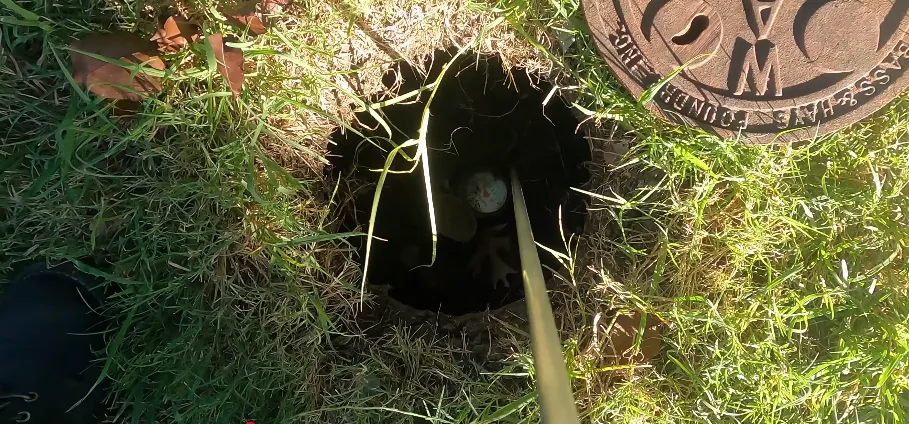
Your water meter sits in a plastic or concrete box in the ground, usually near the street or the edge of the driveway. Depending on where you live, it's managed by the City of Plant City or Hillsborough County. Inside the box there's normally a valve on the utility side of the meter, and sometimes a customer-side valve too.
The meter-side valve stops water to the entire property, including irrigation and the pool's autofill. It usually takes a meter key or a sturdy tool to turn the tab a quarter turn. Because that valve may belong to the utility, use it when you have to stop a flood and can't reach the house valve. If the box is damaged or the valve won't move, contact your water utility.
Careful: In Florida, meter boxes can hide fire ants, wasps, spiders and the occasional snake. Lift the lid with a tool and look before reaching in.
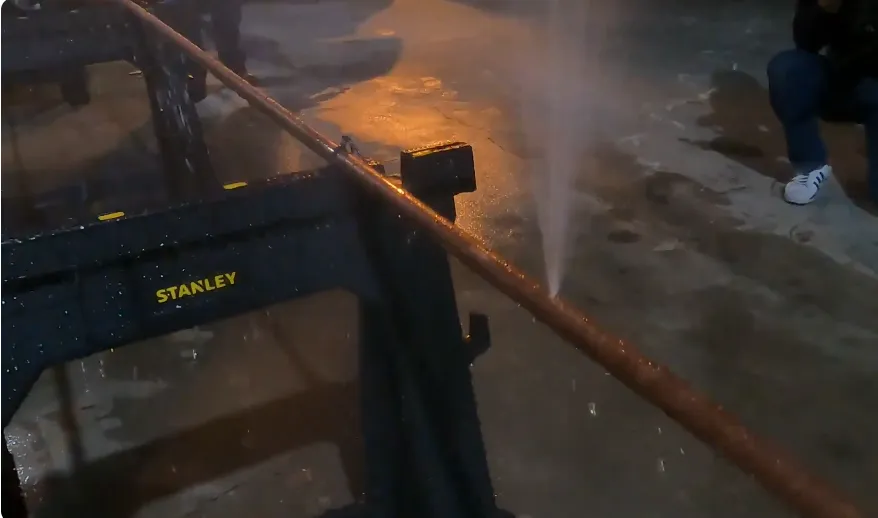
Step by Step: What to Do When a Pipe Bursts
- Close the house shut-off. Turn the lever 90 degrees or the wheel clockwise until it stops.
- If water is still flowing, close the valve at the meter box.
- Cut power to wet areas at the breaker panel if water is near outlets, appliances or the water heater, but only if you can reach the panel without standing in water.
- Turn off the water heater. Switch off the breaker for an electric heater, or set a gas heater to "pilot" or "off".
- Open a faucet at the lowest point of the house, such as an outdoor spigot, to drain the remaining pressure.
- Photograph everything before cleanup for your insurer.
- Call to have the source found. A burst you can see is easy; a pinhole inside a wall or under the slab isn't. Our burst and pinhole pipe leak page explains how that's done.
If Your Home Is on a Private Well
Many properties on the rural edges of Plant City, in Knights, Dover or Keysville, run on wells rather than city water. There's no utility meter, so the controls are different. Turn off the breaker for the well pump first, so it stops pushing water. Then close the valve after the pressure tank, which is usually near the tank in the garage, a pump house, or outside. The pressure tank will still hold some water under pressure, so open a faucet to bleed it down. See well line leak detection for how leaks on well systems are tracked.
Keep It Working: A Two-Minute Twice-a-Year Check
A shut-off valve that hasn't moved in ten years is the one that fails when you need it. Twice a year, a good reminder is the start and end of hurricane season, close the house valve fully, open a faucet to confirm the water stops, then reopen the valve slowly. Watch the valve stem for a drip afterward; a small weep from the packing nut is common on older gate valves and can usually be stopped with a gentle snug of the nut.
- Clear plants and mulch away from the valve so you can reach it fast.
- Hang a tag on the valve and keep a meter key in the garage.
- Show every adult in the house where it is and how it turns.
- Check that the meter box lid isn't buried or cracked.
While the water is off, it's also a good moment to check for hidden leaks: if your meter keeps moving with every fixture closed, something is leaking. Our guide to hidden water leaks explains the next steps.
Automatic Shut-Off Valves and Leak Sensors
If you travel often, own a seasonal home, or simply want peace of mind, an automatic shut-off valve can close the main line on its own when sensors detect water on the floor or a flow pattern that looks like a leak. Battery-powered water sensors placed near the water heater, under sinks, and behind the washer and refrigerator are a simple first step. These devices don't replace knowing where your manual valve is, since power outages and dead batteries happen, especially during Florida storms, but they can stop a leak while you're away. A licensed plumber can tell you which type suits your main line.
Frequently Asked Questions
Which way do I turn the water shut-off valve?
For a wheel handle, turn clockwise to close. For a lever, turn it 90 degrees so it sits across the pipe. Lever parallel to the pipe means open.
Can I turn off the water at the meter myself?
In an emergency, many homeowners do, using a meter key. The valve may belong to your water utility, so if it's stuck or damaged, call the utility instead of forcing it.
My shut-off valve is stuck. What should I do?
Don't force it with a wrench, since the stem can snap. Use the meter-side valve if needed, and ask a plumber to replace the stuck valve.
Should I shut off the water when I leave on vacation?
It's a smart habit, especially for longer trips. Remember the pool autofill and irrigation may share the line, and turn off the water heater too.
Water is off but the meter is still moving. Why?
If the house valve is closed and the meter still turns, the leak is likely between the meter and the house, on the service line or a branch to irrigation.