Drip irrigation leaks most often come from cut or chewed tubing, fittings that pop apart, punctures from tools, clogged or blown emitters, failed pressure regulators and leaking filters or valves. Signs include puddles or washouts in one spot, plants at the end of a line looking dry, low pressure, and a water meter that moves more than expected during a drip cycle.
- Drip systems leak at fittings, punctures and failed regulators.
- Dry plants at the end of a run often mean a leak upstream.
- Check the filter and pressure regulator first.
- Flush lines regularly to reduce clogs and pressure problems.
How Drip Systems Work
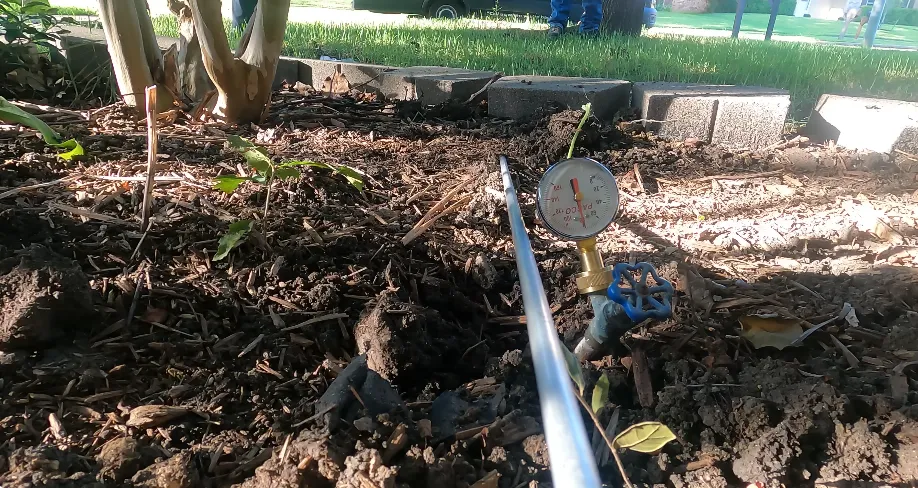
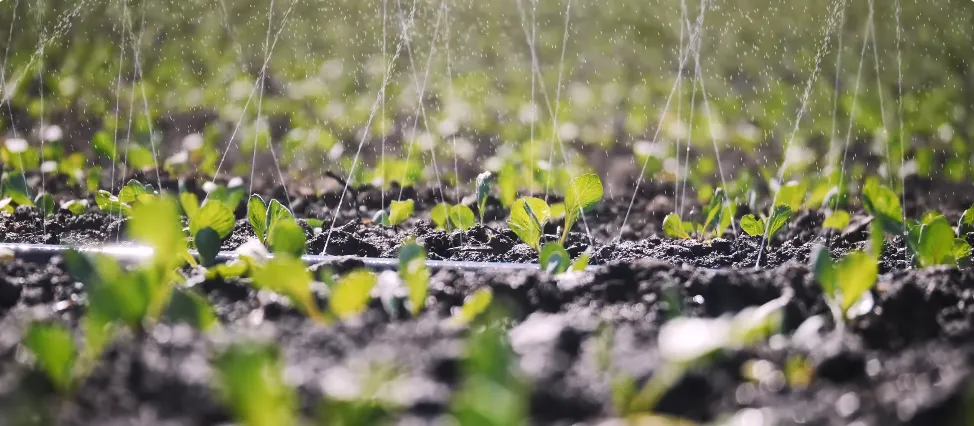
A drip zone usually has a valve, a filter, a pressure regulator, and then polyethylene tubing with emitters or emitter tubing that delivers water slowly at the root zone. Because drip runs at low pressure, a leak doesn't always create a dramatic geyser. Water may just pool quietly, wash out mulch, or soak into sandy soil.
What Causes Drip Leaks
- Cuts and punctures from shovels, trimmers, edgers and stakes
- Animals chewing tubing in search of water
- Fittings pushed apart by pressure, heat expansion or foot traffic
- Failed pressure regulators sending too much pressure into tubing
- Blown or missing emitters
- Sun damage to exposed tubing over time
- Leaking filters and valves at the start of the zone
How to Find Them
- Run the drip zone and walk the full length of every line.
- Look for puddles, washouts, wet mulch or spraying water.
- Check the ends of lines: plants there should receive water too.
- Pull back mulch along buried sections where the ground stays wet.
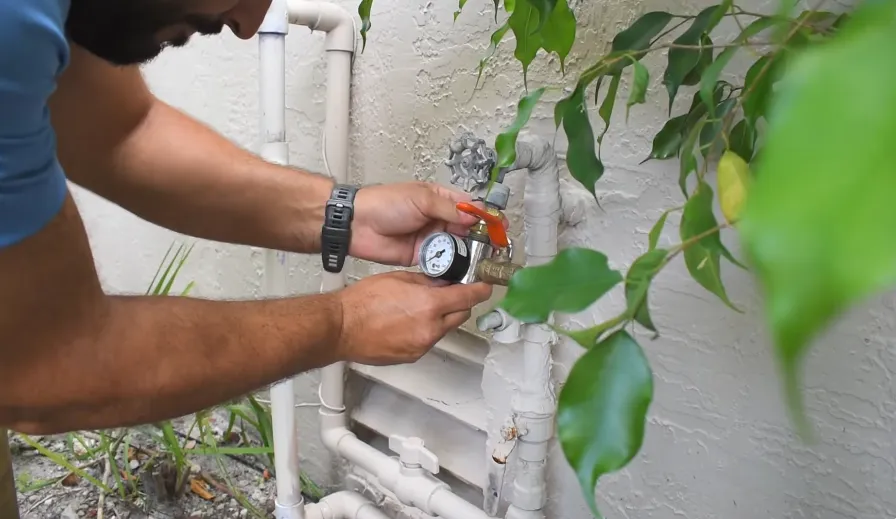
- Check the filter, pressure regulator and valve at the zone's head.
- Compare meter readings during a drip cycle to normal use.
The broader zone testing method is in our guide to testing irrigation zones for leaks.
Larger Plots and Agricultural Lines
On larger properties in Dover, Knights and rural Plant City, drip and overhead systems may run long distances from a well or meter, with mainlines buried across fields. A leak on the supply side, before the drip zones, can waste a lot of water and pump power. Separating the system with branch valves makes leaks easier to isolate. For well-fed systems, see well line leak detection.
Prevention Tips
- Flush lines periodically by opening end caps.
- Clean the filter regularly.
- Mark where tubing runs before digging or planting.
- Replace brittle, sun-damaged tubing.
- Check the system after storms and yard work.
When the leak is on a buried supply line or you can't find it, professional irrigation leak detection can pinpoint it.
Frequently Asked Questions
Why are the plants at the end of my drip line dry?
Water may be escaping upstream through a leak, or the line may be clogged or under-pressurized.
Can drip tubing be repaired?
Small cuts and popped fittings are often simple to repair with couplings. Leaks on buried supply pipe may need pinpointing.
Do drip systems need a pressure regulator?
Most drip systems use one to keep pressure low enough for tubing and emitters. A failed regulator can cause leaks.
How often should I check my drip system?
Walk it regularly while it runs, and after any digging, storms or yard work.
Can a drip leak raise my water bill?
Yes, especially a leak on the supply side that runs whenever the zone is active.