Signs of a sprinkler system leak include soggy or sunken spots that stay wet, unusually green strips, heads that pop up weakly or mist, water bubbling up around a head or valve box, water running when no zone is on, the meter moving with the controller off, and a water bill that keeps climbing. Leaks occur at heads, laterals, mainlines, valves and the backflow device.
- A soggy spot that never dries is the most obvious sign.
- Weak or misting heads on one zone point to a leak on that zone's lateral.
- Water running with all zones off suggests a stuck valve or mainline leak.
- Test with the controller off and the meter as your gauge.
The Warning Signs
Wet spots that don't dry. A patch of lawn or bed that stays soggy, or water pooling around a sprinkler head or valve box days after the last cycle.
Green or lush stripes. In the dry season, a line of greener grass often traces a leaking lateral or mainline.
Weak heads. Heads on one zone pop up partway, mist instead of spraying, or don't reach their normal coverage.
Water bubbling or geysers from the ground or around a head.
Water running with all zones off, which can mean a valve not closing fully or a leak on the mainline that stays pressurized.
Dry spots elsewhere, because water lost to a leak never reaches the end of the zone.
A higher bill, especially in spring when irrigation runs the most.
Where Sprinkler Leaks Happen
- Heads: cracked bodies, broken risers, worn seals, mower damage
- Laterals: the pipes from each valve to its heads, often shallow and easy to damage
- Mainline: the pressurized pipe from the supply to the valves; leaks here run all the time
- Valves: diaphragms that don't seal, letting water seep through to a zone
- Backflow device: exposed above ground and vulnerable to freezes and impact; see backflow preventer leaks
What Causes Them in Plant City
Lawn equipment hitting heads and shallow pipes, roots from trees and shrubs, soil settling in sandy ground, sun-damaged above-ground parts, and the rare hard freeze that cracks exposed backflow devices and risers. New landscaping, fence posts and edging also cut lines. Pressure that's too high stresses fittings and can cause heads to mist.
A Quick Self-Check
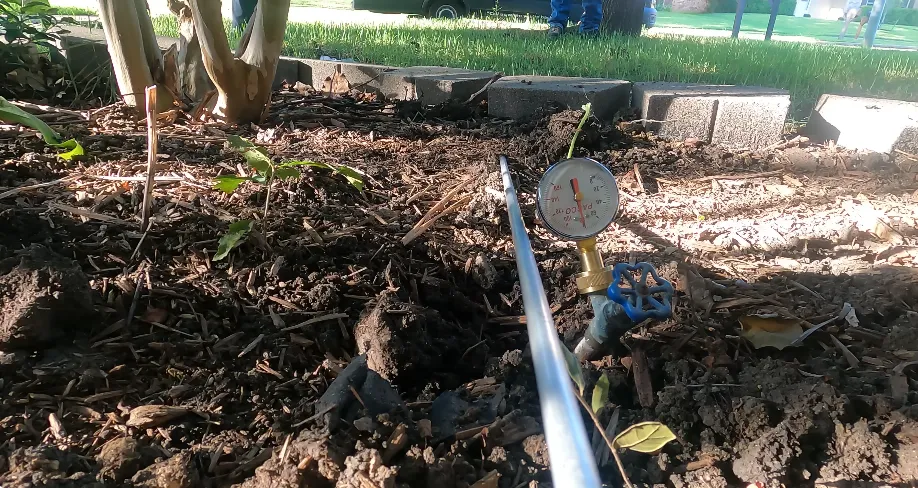
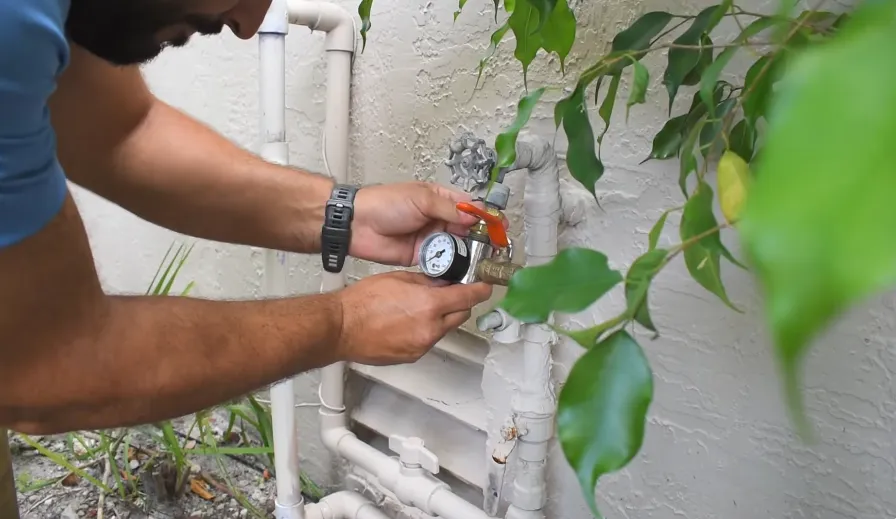
- With the controller off and no water in use, check the water meter. If it moves, close the house shut-off: if it still moves, the leak may be on irrigation or the service line.
- Run each zone for a couple of minutes and walk it, watching for weak heads, bubbling and geysers.
- Check valve boxes for standing water.
- Inspect the backflow device for drips.
Our guide on testing irrigation zones for leaks goes step by step.
When to Call a Pro
If a leak isn't obvious at a broken head, pinpointing it on a buried lateral or mainline saves digging across the yard. A provider isolates the zone or mainline, pressure tests it, and uses acoustic listening and line tracing to mark the spot. See irrigation leak detection.
Frequently Asked Questions
Can a sprinkler leak raise my water bill?
Yes. Irrigation is a major water user in Florida yards, and a mainline leak can run constantly.
Why is one zone weaker than the others?
A leak on that zone's lateral, a partly closed valve or clogged heads can all reduce pressure on one zone.
Why does water seep from a head after the zone shuts off?
Some drainage from the lowest head is normal. Constant seepage can mean a valve isn't closing fully.
Do sprinkler leaks happen in winter?
Leaks can happen year-round. Rare freezes can crack exposed backflow devices and risers.
Is my sprinkler system on the same meter as my house?
Many are. Some properties have a separate irrigation meter. Check with your utility if unsure.