A warm or hot spot on the floor of a slab home most often means hot water is escaping from a supply line under or within the concrete. Other causes include sunlight, a nearby appliance, ductwork or a hot-water line that's simply close to the surface without leaking. A water meter test with the cold supply to the water heater closed is the quickest way to tell a leak from harmless warmth.
- A warm spot with a moving water meter strongly suggests a hot-water slab leak.
- Rule out sun, appliances and ducts first.
- Closing the cold inlet at the water heater isolates the hot side for a quick test.
- Don't open the floor where it feels warmest; heat spreads, so the leak needs pinpointing.
Why a Leak Makes the Floor Warm
Concrete holds and spreads heat well. When a hot-water line under the slab leaks, the escaping water soaks the soil and the underside of the slab with hot water, and the concrete conducts that heat up to the floor surface. Because the water heater keeps sending fresh hot water into the leak, the spot stays warm day and night, often most noticeable in the early morning when the rest of the floor is coolest. The longer the leak runs, the larger the warm area can become.
Other Things That Warm a Floor
Before assuming the worst, rule out the simple causes:
- Sunlight through a window or sliding door, which warms the floor during the day but not overnight.
- Appliances like a refrigerator, dishwasher or dryer exhausting heat near the floor.
- Ductwork in the slab or an air handler closet next to the area.
- A normal hot-water line running close to the surface, which warms briefly while hot water is being used and then cools.
A leak-related spot stays warm even when no one has used hot water for hours and the sun hasn't touched it.
A Simple Test You Can Do Tonight
- Make sure no water is being used anywhere in the house.
- Check the water meter's leak indicator. If it's moving, note how fast.
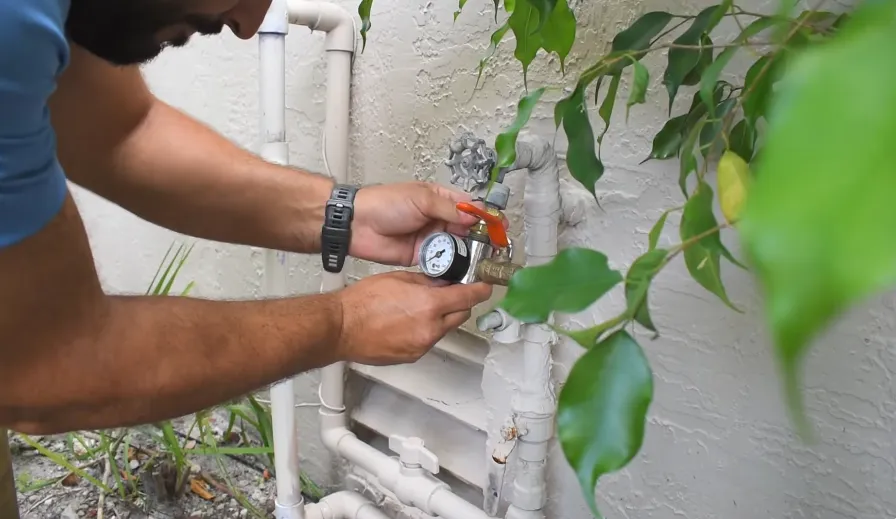
- Close the cold-water inlet valve on top of the water heater, which stops water from entering the hot side of the system.
- Watch the meter again. If it stops or slows sharply, the leak is likely on the hot side.
- Reopen the valve when you're done.
If the warm spot goes cool over the next day while the heater valve is closed, that's another strong sign. Our meter test guide explains how to read the meter.
Careful: If you leave the heater's inlet closed for long, turn off the heater's power or set the gas to pilot, so it doesn't heat with low water.
How a Provider Pinpoints It
Heat spreads sideways through concrete, so the warmest spot on the surface isn't always right over the hole in the pipe. A provider typically starts with a pressure test on the hot and cold lines to confirm which side is leaking. Then thermal imaging maps the heat pattern across the floor, often revealing the path of the pipe and a hotter area where water is escaping. Acoustic listening on the floor narrows it down to the spot where the sound of escaping water is loudest. The goal is one small, accurate opening.
What Happens If You Wait
A hot-water slab leak doesn't just waste water. Your water heater works harder, which adds to energy use and wear on the heater. The constant hot water under the slab can wash out supporting soil, soak flooring, and in humid Florida conditions encourage mildew around baseboards. Small leaks also tend to grow. Getting it found early keeps the repair smaller and the damage limited.
After It's Found
Once the leak is marked, you'll talk through repair options with the provider: a direct spot repair through a small opening, or rerouting the hot line through the walls or attic and abandoning the section under the slab. Which is better depends on the pipe's condition and how many leaks the home has had. The full process is covered on our slab leak detection page.
Frequently Asked Questions
Can a hot spot on the floor be dangerous?
It's usually not an immediate danger, but it means water and energy are being lost and the slab area is getting wet. Have it checked soon.
Why is the warm spot bigger than it was?
As a leak runs longer, more hot water saturates the soil and concrete, so the warm area can spread.
My floor is warm only in the evening. Is that a leak?
Daytime sun or evening appliance use can explain that. A leak keeps the spot warm overnight and early morning too.
Can thermal imaging see through tile?
Thermal cameras read surface temperature. They show the heat pattern the leak creates on top of tile or concrete, which helps trace the pipe.
Should I turn off my water heater?
If the meter test confirms a hot-side leak and you can't get help right away, closing the heater's cold inlet and turning off its power or gas slows the loss.