To protect your plumbing in hurricane season, know where your shut-off valves are and that they work, secure outdoor equipment, protect pool and well systems from power surges and flooding, and plan for a power outage. After the storm, check the water meter for leaks, inspect exposed pipes, backflow devices and pool equipment, and watch for wet spots that could mean a line shifted or broke underground.
- Test your main shut-off before the season starts.
- Don't drain your pool before a storm.
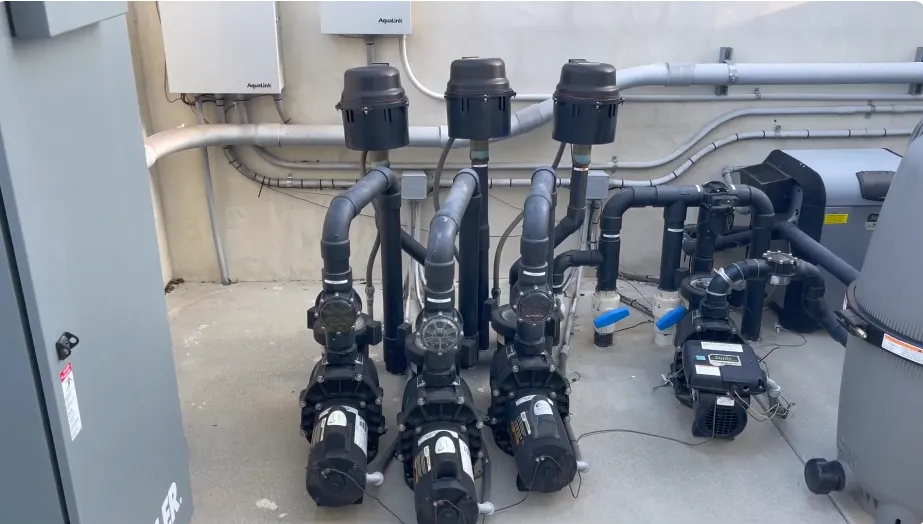
- Protect well pumps and pool equipment from power surges.
- After the storm, do a meter test even if nothing looks wrong.
Before the Season Starts
- Find and test the main shut-off. Close it fully, confirm the water stops, then reopen. See our shut-off valve guide.
- Keep a meter key and a flashlight where you can grab them.
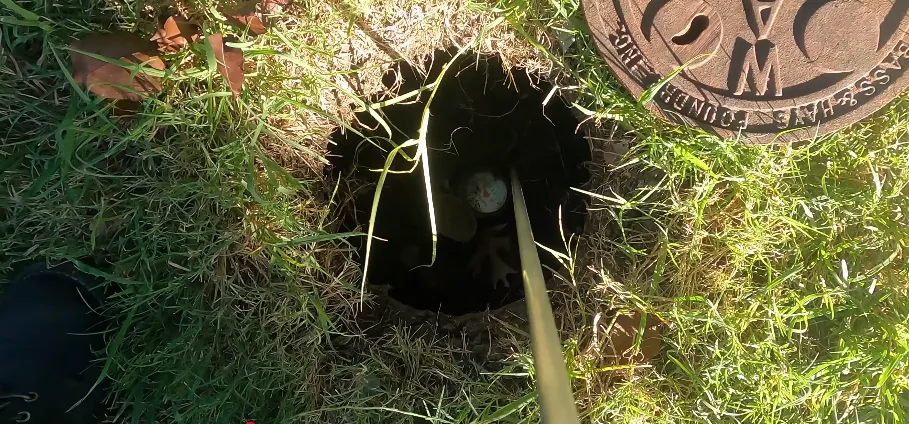
- Do a baseline meter test so you know your system is leak-free before any storm.
- Trim trees near the house and over the path of buried lines; uprooted trees can pull up pipes with them.
- Clear gutters and downspouts so rainwater moves away from the foundation.
- Photograph your water heater, pool equipment and plumbing for insurance records.
When a Storm Is Approaching
Store water for drinking and flushing in case service is interrupted. Fill bathtubs for flushing water if you have one you can spare.
Pools: Don't drain the pool. An empty pool can be damaged by groundwater pressure, and the water helps hold it in place. Many pool professionals suggest lowering the level slightly and turning off power to the pump, heater and lights at the breaker. Secure loose equipment and covers.
Wells: Turn off the well pump at the breaker if you expect flooding near the wellhead or power surges, and plan for water if the power goes out.
Irrigation: Turn the controller off. The storm will do the watering.
If You Evacuate
Close the main water shut-off and turn off the water heater. If a pipe breaks while you're away, a closed main limits the damage to whatever water was already in the pipes. Turn off the well pump if you have one.
After the Storm: Leak Checks
- Check for safety first. Stay clear of downed power lines, and don't enter flooded areas where electricity might be live.
- If you smell gas, leave and call your gas or propane supplier, or 911. Storms can shift propane tanks and lines; see propane line leaks.
- Do a meter test before you turn on any irrigation. A meter moving with everything off can mean a line shifted or broke underground.
- Walk the yard for new wet spots, especially where trees fell or the ground was disturbed.
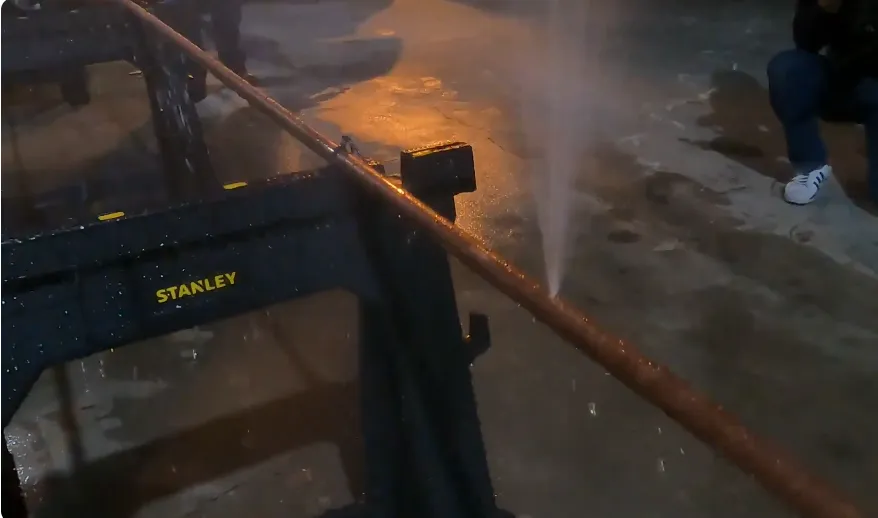
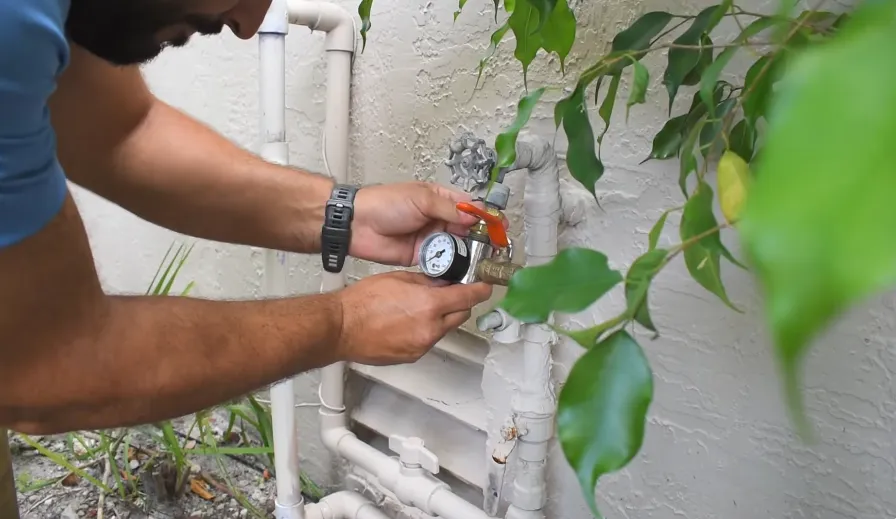
- Inspect exposed plumbing: hose bibs, the irrigation backflow device, pool and spa equipment, and pipes at the water heater.
- Check ceilings and walls for new stains. Separate roof leaks from plumbing leaks; water stains below a bathroom or near plumbing walls may be a pipe.
- Watch the pool level once the debris is cleared and the water settles. Unusual loss can mean storm damage to pool plumbing.
If Your Plumbing Flooded
Floodwater can contaminate wells and push debris into drains and sewer lines. If your well was flooded, follow your health department's guidance on disinfection and testing before drinking the water. Slow drains or gurgling after a flood can mean debris or damage in the sewer line; a camera inspection shows what's going on. See sewer and drain leak detection.
Keep Records for Insurance
Photograph damage before cleanup, keep receipts, and note dates. If a leak is found later, documentation showing where it is and what caused it helps your insurer evaluate the claim. Our page on insurance leak documentation explains what's useful.
Frequently Asked Questions
Should I turn off my water before a hurricane?
If you're evacuating, yes. If you're staying, keep it on for use, but know exactly where the shut-off is.
Should I drain my pool before a hurricane?
No. Draining can damage the pool. Many professionals suggest lowering it slightly and shutting off equipment power.
Can a hurricane cause underground pipe leaks?
Yes. Uprooted trees, saturated and shifting soil, and debris can damage buried lines. Do a meter test after the storm.
How do I tell a roof leak from a plumbing leak after a storm?
Roof leaks usually appear during or right after rain. A stain that keeps growing in dry weather, or a moving meter, points to plumbing.
When does hurricane season end?
The Atlantic hurricane season runs from June 1 to November 30.