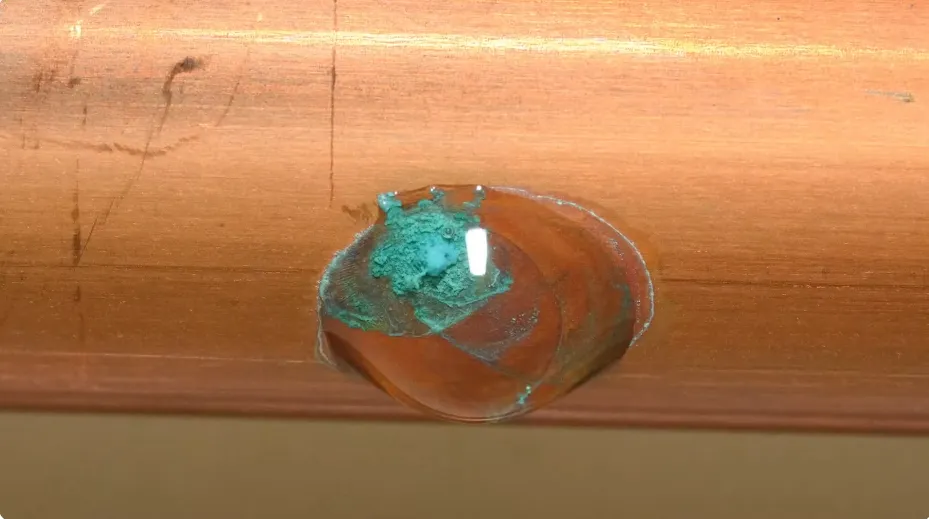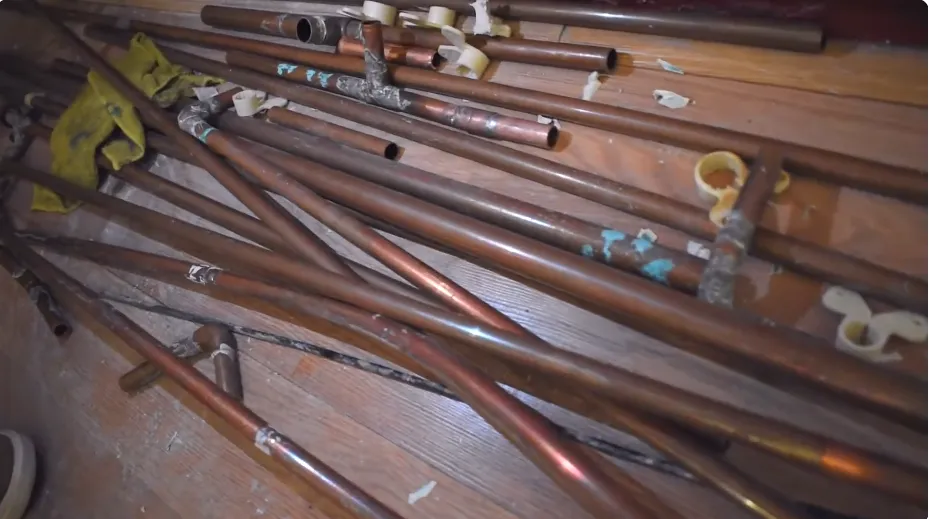
Copper pipes typically leak from pinholes caused by internal corrosion or abrasion, and at soldered joints. PEX pipes resist corrosion and scale but can leak at fittings and connections, from punctures during construction, from UV exposure if left in sunlight, and from rodent damage in attics. Both can be found with pressure testing, acoustic listening and thermal imaging, though PEX carries sound differently, which affects acoustic methods.
- Copper: pinholes, corrosion and joint leaks.
- PEX: fittings, punctures, UV and rodent damage.
- PEX is quieter acoustically, so detection may rely more on other methods.
- Mixed systems are common after repairs and repipes.
How Copper Leaks
- Pinholes from pitting corrosion; see pinhole leaks in copper pipes
- Erosion at elbows and tees from high water velocity
- Abrasion where pipes rub against concrete, framing or other pipes
- Joint failures at poorly soldered or stressed fittings
- Freeze damage on exposed pipes during rare hard freezes
Under slabs, copper's main risks are abrasion and corrosion, often on hot lines.
How PEX Leaks
- Fittings: crimp, clamp, expansion and push-fit connections that weren't made properly or have failed
- Punctures from nails, screws or drills during construction or renovation
- UV damage if the pipe was stored or installed in sunlight
- Kinks that weaken the pipe
- Rodent damage in attics and walls
- Heat too close to a water heater flue or other heat sources
PEX resists the scale and corrosion that affect copper, which makes it a common choice for repipes and newer homes.
What It Means for Detection
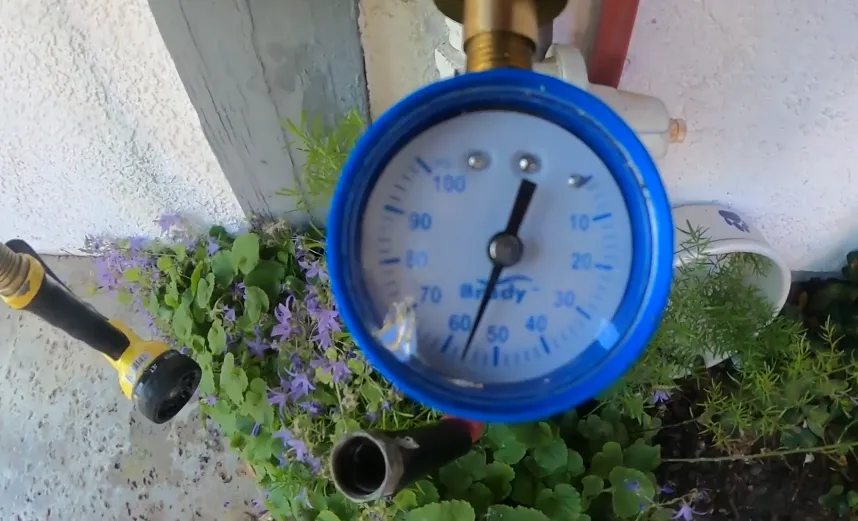
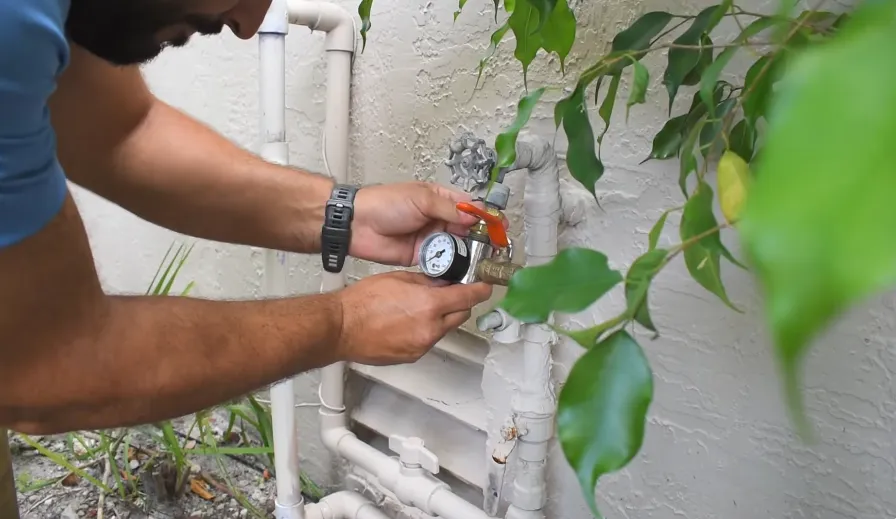
Pressure testing works the same for both: the line is isolated and watched for a pressure drop. Thermal imaging finds hot-water leaks in either material. Acoustic listening is very effective on copper, which carries the sound of escaping water well. PEX is flexible and quieter, so a provider may lean more on tracer gas, thermal imaging and careful isolation. See tracer gas leak detection and acoustic leak detection.
Mixed Systems
Many homes have both: original copper with PEX added during repairs, reroutes or remodels. Transitions between materials are additional connection points to check. Knowing where your home has each material helps when a leak appears.
If You're Considering a Repipe
When copper has had repeated leaks, repiping with PEX is a common option, often routed through the attic and walls rather than under the slab. A licensed plumber can explain the trade-offs for your home. Our repair and repipe options page covers the choices, and you can get a free quote by phone.
Frequently Asked Questions
Is PEX better than copper?
Each has advantages. PEX resists corrosion and scale and is flexible; copper is durable and heat-resistant. Installation quality matters for both.
Can PEX get pinhole leaks?
PEX doesn't develop corrosion pinholes like copper, but it can be punctured or fail at fittings.
Is it harder to find leaks in PEX?
PEX is quieter for acoustic detection, so providers often combine other methods like thermal imaging and tracer gas.
Does PEX hold up in Florida attics?
PEX is commonly installed in attics. It should be protected from direct sunlight and kept away from high-heat sources.
Can my home have both?
Yes, many homes do after repairs or partial repipes.