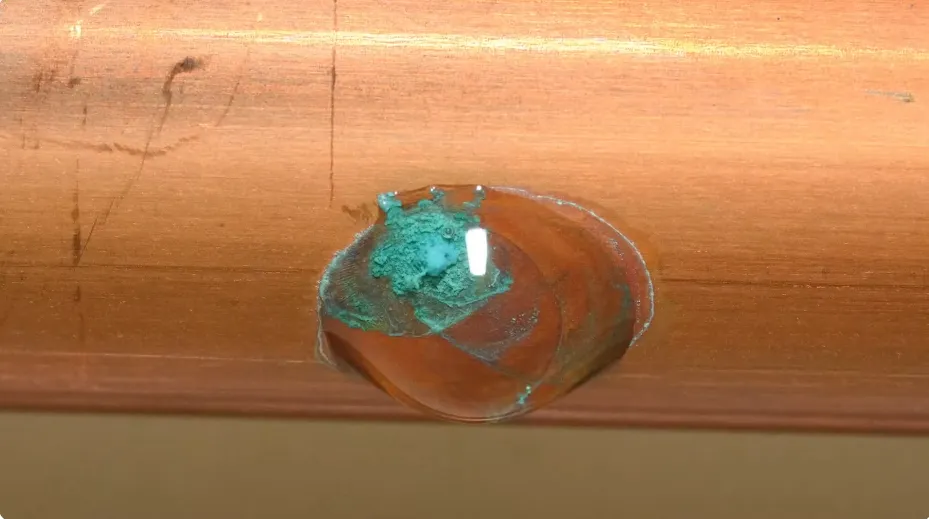
Pinhole leaks in copper pipes are small holes caused by corrosion that thins the pipe wall from the inside, from water chemistry, high water velocity, debris, poor installation, or abrasion from outside. Signs include a fine spray or drip, stains, damp drywall, a hissing sound and an unexplained jump in the water bill. Because the cause often affects the whole system, one pinhole is a reason to assess the rest of the plumbing.
- Pinholes start inside the pipe, so they're invisible until they leak.
- One pinhole can signal widespread thinning.
- Leaks in walls and slabs need pinpointing before repair.
- Repair options range from a patch to repiping, depending on the pipe's condition.
What Causes Pinhole Leaks
Water chemistry. The pH, dissolved minerals, oxygen, and disinfectants in water all affect how copper corrodes. Certain conditions cause localized "pitting" corrosion that eats small, deep holes.
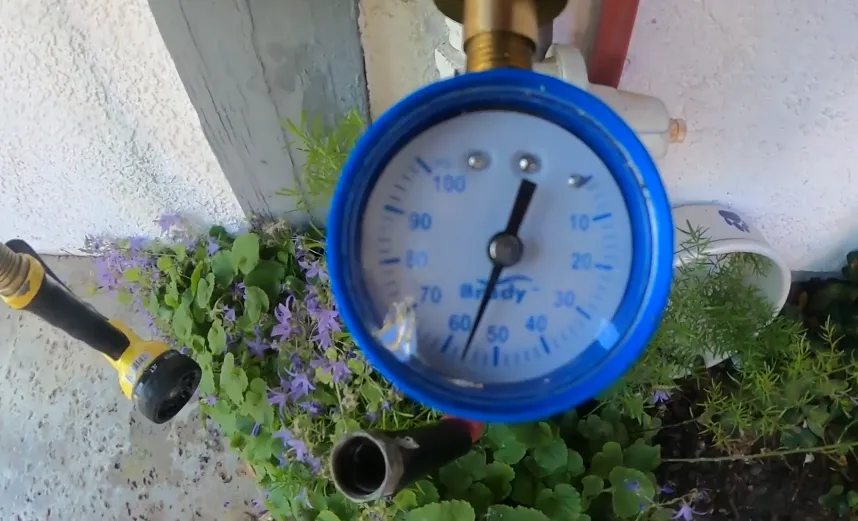
High velocity. Water moving too fast, from undersized pipes, high pressure or recirculation pumps, can erode the pipe wall, especially at elbows and fittings.
Installation issues. Excess flux left inside pipes, burrs from cutting, and poorly made joints can start corrosion.
Debris and sediment. Particles carried in the water can abrade the inside of pipes.
External abrasion. Pipes rubbing against framing, concrete or other pipes wear through over time, a common cause under slabs. See why slab leaks happen in Florida.
Signs of a Pinhole Leak
- A fine spray or slow drip from an exposed pipe
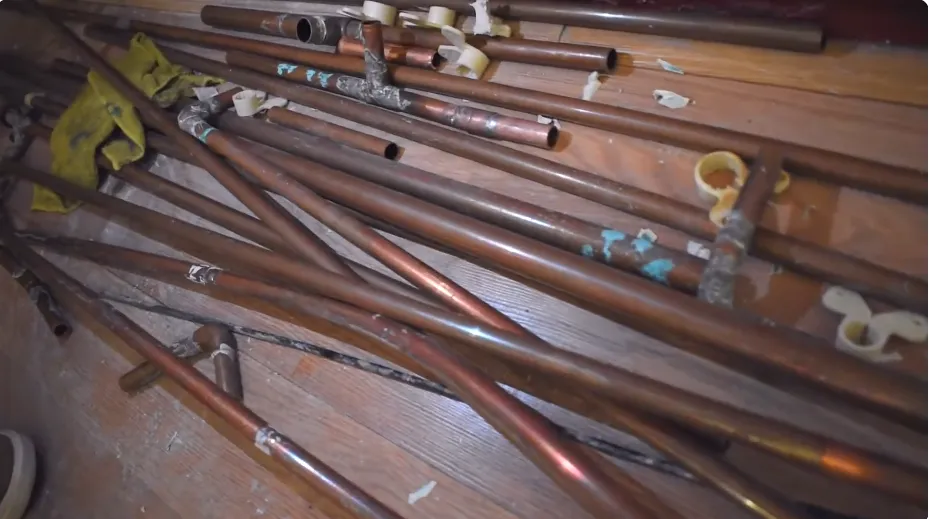
- Small stains, often blue-green, on pipes or fittings
- Damp or bubbling drywall, ceiling spots
- A faint hiss inside a wall when water is off
- A water meter that moves with everything off
- A rising water bill
What One Pinhole Means
A single pinhole can be a one-off, caused by a defect or a single abrasion point. But when the cause is water chemistry or velocity, the same thinning may be happening throughout the system. If you've had more than one pinhole, or they keep appearing in different places, the overall condition of the pipe matters more than any single leak. Ask the provider about the pipe's condition when a leak is found.
How Pinholes Are Found
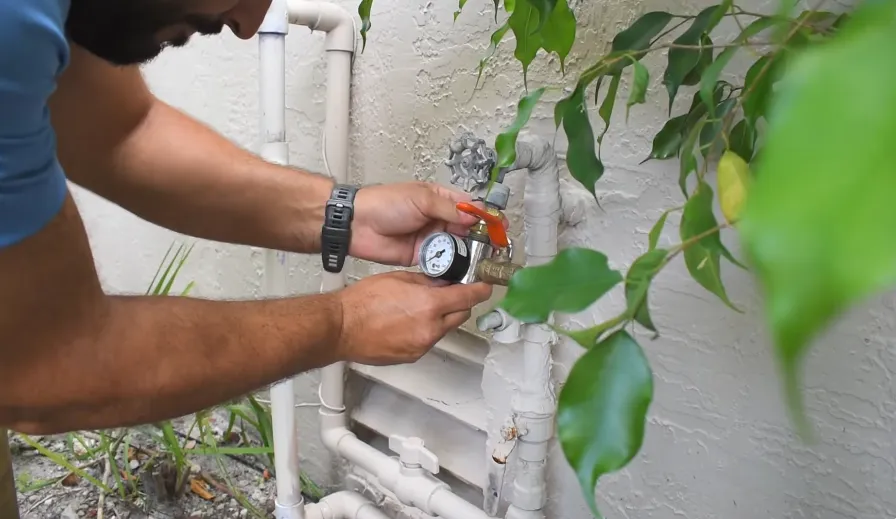
Exposed pinholes are easy to spot. Those in walls, ceilings and under slabs are not. A provider isolates and pressure tests the lines, listens for the leak with acoustic equipment, uses thermal imaging for hot-water lines, and can use tracer gas for very small leaks. See burst and pinhole pipe leak detection.
Repair Options
Options include a spot repair at the leak, replacing a section of pipe, rerouting a line, or repiping the house, often with PEX. The right choice depends on the number of leaks, the condition of the pipe, and the location. Our page on repair and repipe options explains the trade-offs. For a comparison of pipe materials, see PEX vs. copper leaks.
Frequently Asked Questions
Are pinhole leaks common in Florida?
They're a known problem in copper plumbing in many areas, including Florida, depending on water chemistry and the age of the pipe.
Can I patch a pinhole leak myself?
A clamp can be a temporary fix on exposed pipe. Have it properly repaired, and check for others.
Does one pinhole mean I need to repipe?
Not necessarily. Repeated pinholes in different places are a stronger sign that repiping is worth considering.
Why does my pinhole leak spray?
The hole is small and the water is under pressure, so it sprays a fine stream.
Can pinhole leaks cause mold?
Yes. A slow, hidden leak in a wall can keep materials damp enough for mold in Florida's humidity.