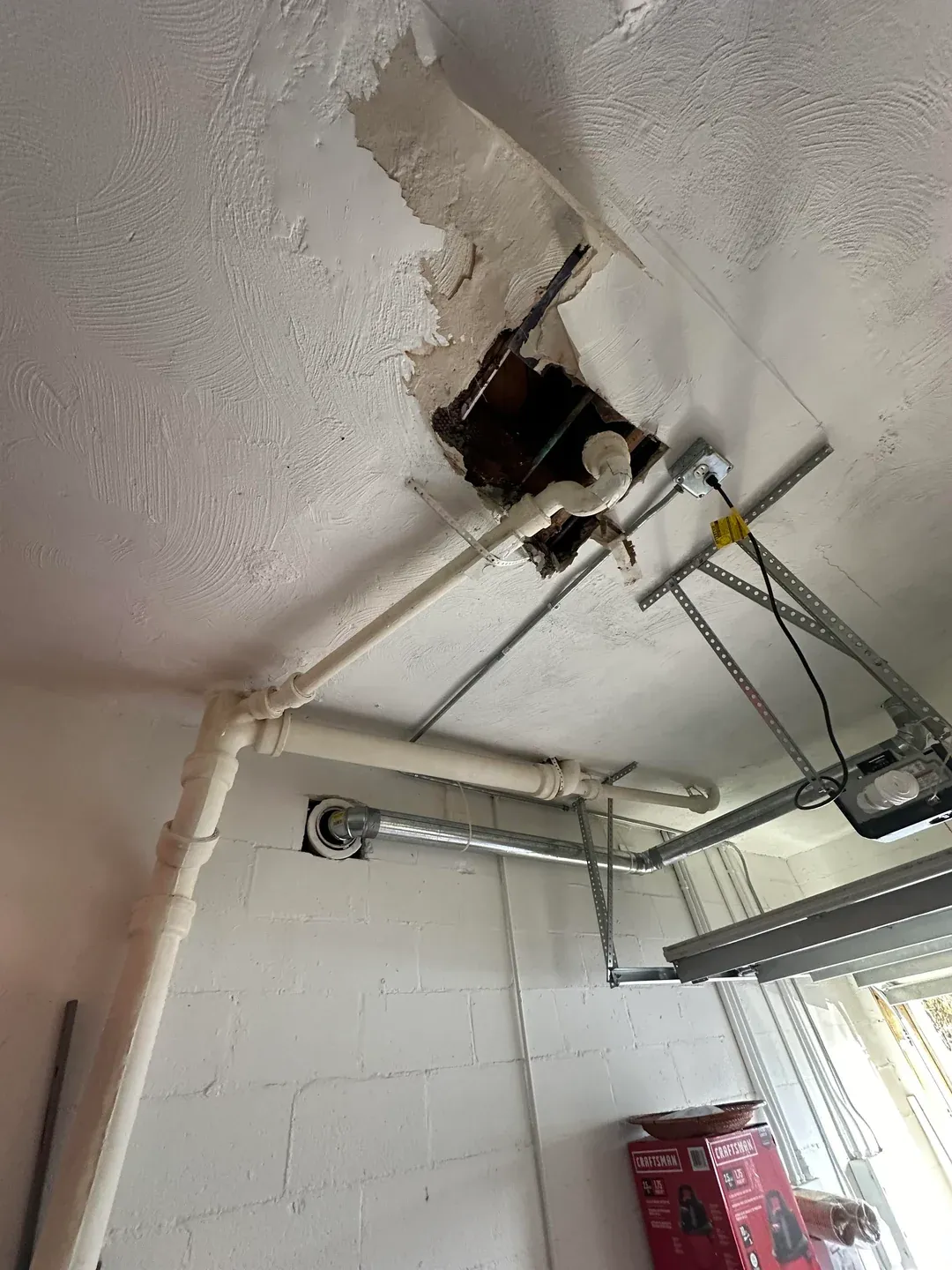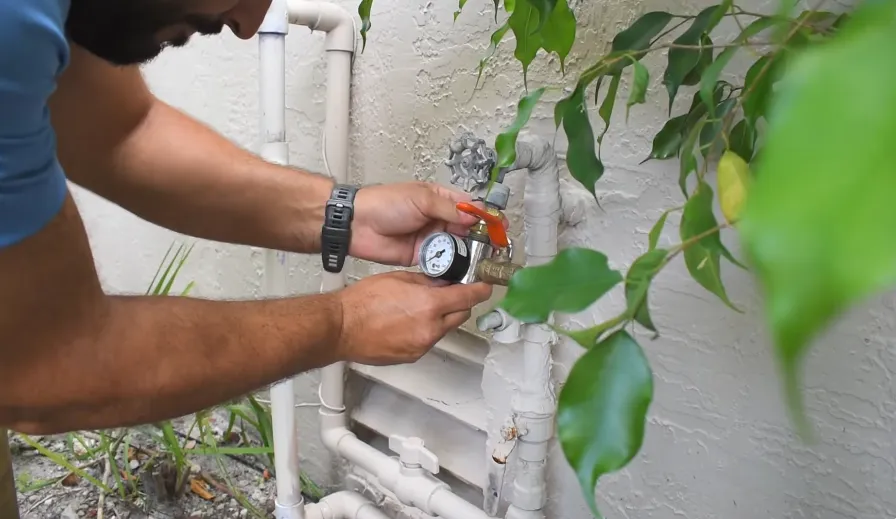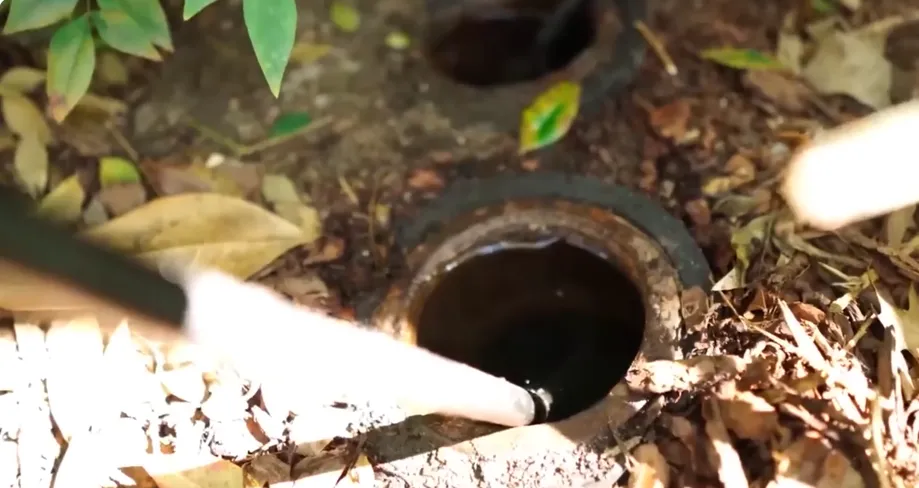
A single slow drain is usually a local clog in that fixture's line. Multiple slow drains, gurgling, backups in the lowest fixtures, sewage odors, or soggy patches in the yard point to the main sewer line, which may be clogged, sagging, cracked, invaded by roots or collapsed. A camera inspection through the cleanout shows which it is.
- One fixture slow = local clog. Many fixtures slow = main line.
- Backups often show first in the lowest fixture, like a ground-floor shower or tub.
- Gurgling toilets when a sink or washer drains are a main-line clue.
- A camera inspection shows the cause before anything is dug up.
Signs of a Simple Local Clog
- Only one sink, tub or shower is slow.
- Other fixtures drain normally.
- The problem started gradually, with hair, soap or grease as likely culprits.
- A plunger or clearing the trap helps, at least for a while.
Bathroom sinks and showers clog with hair and soap scum; kitchen sinks clog with grease and food. These are usually fixed at the fixture.
Signs the Main Sewer Line Is the Problem
- Several drains are slow at once, especially in different rooms.
- Gurgling from a toilet or tub when another fixture drains.
- Water backs up into the shower or tub when you flush or run the washer.
- Sewage smell inside or outside the house.
- Soggy, green or sunken patches along the route of the sewer line in the yard.
- Repeat clogs that come back soon after being cleared.
- Water around the cleanout outside the house.
What Goes Wrong With Main Lines
Clogs from grease, wipes and paper products that build up over time. "Flushable" wipes are a frequent cause.
Roots that find small cracks or joints and grow inside. Read about tree roots in sewer lines.
Bellies, or sags, where the line settles in sandy soil and collects waste.
Cracks and breaks from age, soil movement or ground loads.
Corroded cast iron in older homes, which can scale up inside and crack. See cast iron drain pipes.
On Septic? The Picture Is Different
Some properties on the rural edges of Plant City use septic systems instead of city sewer. Slow drains throughout the house, odors and soggy ground over the drain field can mean the tank needs pumping or the drain field is struggling, rather than a broken pipe. A septic professional evaluates the tank and field; a camera inspection can still check the line between the house and the tank.
Why a Camera Inspection Comes First
Guessing at a sewer problem is expensive and messy. A camera inspection sends a waterproof camera through the cleanout and along the line, showing clogs, roots, cracks, offsets and sags, and their distance from the cleanout. A locator above ground can then mark the spot and depth. That lets you decide between cleaning, a spot repair or a larger fix based on what's actually in the pipe. See sewer camera inspection.
Tip: Know where your cleanout is, usually a capped pipe near the house in the yard or beside the foundation. Keep it clear of mulch and plants.
What to Do During a Backup
Stop using water in the house, including toilets, showers, the washer and dishwasher. Every gallon you use has nowhere to go but up the lowest drain. Then call. Our sewer and drain leak detection page explains how leaks and breaks are found and documented.
Frequently Asked Questions
Why does my toilet gurgle when the washer drains?
It often means the main drain or vent is partly blocked, so air gets pushed through the toilet. It's a common main-line warning.
Can a chemical drain cleaner fix a main line clog?
They're unlikely to clear a main line and can harm some pipes. A main line problem needs proper cleaning and, often, a camera inspection.
Why do clogs keep coming back?
Repeat clogs often mean roots, a sag or a break that catches waste. A camera shows the cause.
Does a sewer smell outside mean a broken line?
It can. It may also be a loose cleanout cap or a vent issue. Have it checked.
Can sandy soil cause sewer problems?
Shifting sandy soil can let lines settle and sag, creating low spots where waste collects.