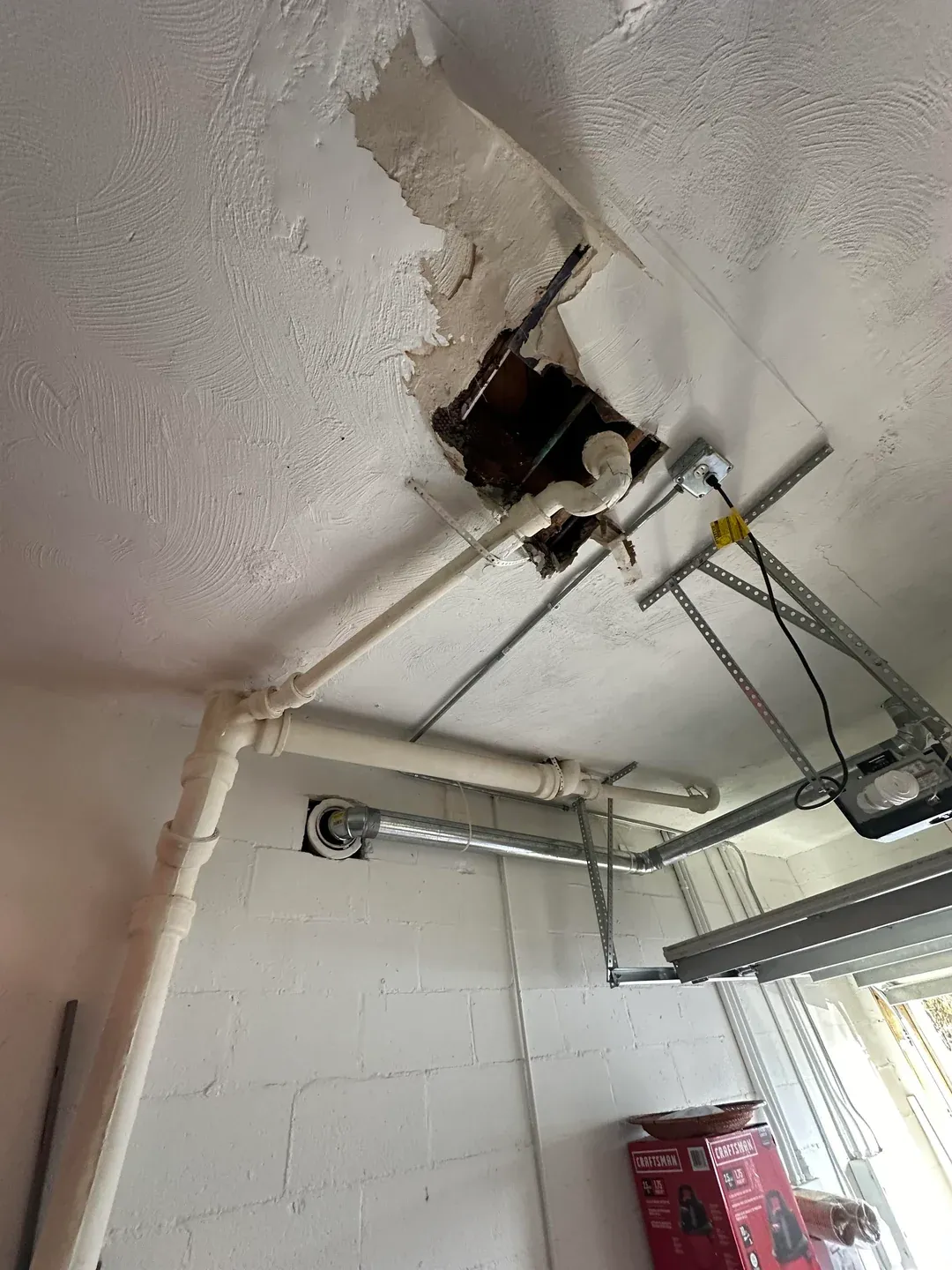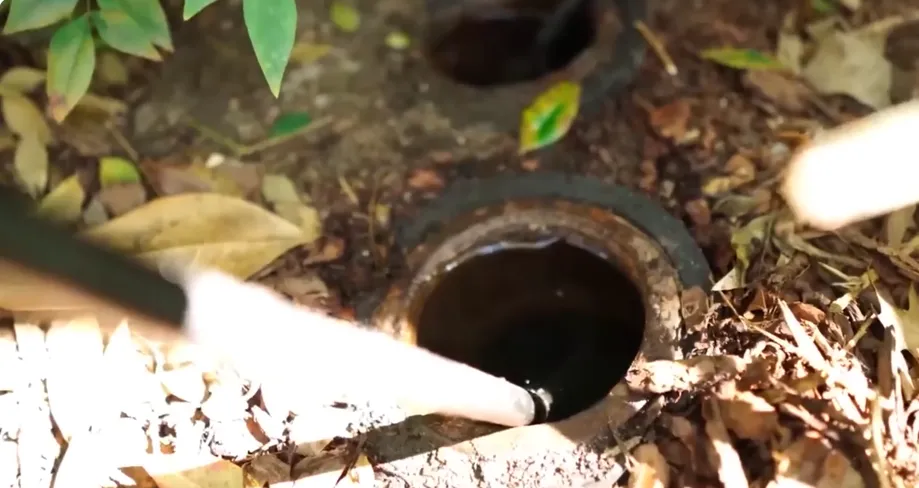
Tree roots enter sewer lines through cracks and joints, drawn by moisture and nutrients. Once inside, they grow into dense masses that catch waste and cause slow drains, gurgling, backups and, over time, cracked or broken pipe. Older clay and cast iron lines with many joints are the most vulnerable. A camera inspection confirms root intrusion and shows how bad it is.
- Roots enter through existing cracks and loose joints.
- Repeat clogs, especially in the main line, are a classic sign.
- Clearing roots helps, but they grow back unless the entry points are repaired.
- Plant new trees away from the sewer line route.
How Roots Get In
Roots don't usually break a healthy pipe. They find one that already has a gap: a crack, a loose joint, or a section that shifted as sandy soil settled. Warm, moist air and water seeping from the pipe draw fine roots toward it. Once a root tip gets inside, it has constant water and nutrients, so it grows quickly into a mass that fills the pipe. As the roots thicken, they can widen cracks and push joints apart.
Signs of Root Intrusion
- Slow drains throughout the house
- Gurgling toilets and drains
- Clogs that return weeks or months after being cleared
- Backups into the lowest fixture
- Sewer odors in the yard
- Unusually green, lush patches over the sewer line route
- Sinkholes or sunken spots in the yard along the line
These overlap with other main-line problems, which is why the article on slow drains vs. a broken sewer line is worth a read.
Trees to Watch in Plant City Yards
Any tree or large shrub near a sewer line can send roots into it. Fast-growing trees with aggressive roots that seek water are the biggest risk, and many Plant City yards have mature oaks and other large shade trees. Trees planted near the house, along the side yard where the sewer line typically runs to the street, or near the septic system deserve the most attention. When planting new trees, keep them well away from the sewer line's route.
How Root Problems Are Handled
Inspection first. A sewer camera inspection shows where the roots are entering, how much of the pipe is blocked, and whether the pipe is cracked or broken.
Clearing. Mechanical cutting or hydro-jetting removes the roots and restores flow. This is often the first step, but roots return if the entry point isn't fixed.
Repair. Spot repairs at the damaged joint, lining the pipe from inside to seal joints and cracks, or replacing the affected section.
The right option depends on the pipe material, the damage, and how many entry points there are.
Prevention
- Know where your sewer line runs from the house to the street or septic tank.
- Plant trees and large shrubs away from it.
- Don't ignore early slow drains.
- After clearing roots, consider a follow-up camera check to watch for regrowth.
For leaks, breaks or root damage under the slab or yard, see sewer and drain leak detection.
Frequently Asked Questions
Can tree roots break a sewer pipe?
Roots usually enter through existing cracks or joints, then widen them as they grow, which can eventually break the pipe.
Will root killer fix the problem?
Products may slow regrowth, but they don't repair the crack or joint where roots enter. Inspection and repair are the lasting fix.
How do I know roots are the cause?
A camera inspection shows roots inside the pipe and where they're entering.
Should I remove the tree?
Not necessarily. Repairing or lining the pipe can stop intrusion. Discuss options with the provider and an arborist if needed.
Are older pipes more at risk?
Yes. Clay and cast iron lines have more joints and are more likely to have cracks that let roots in.