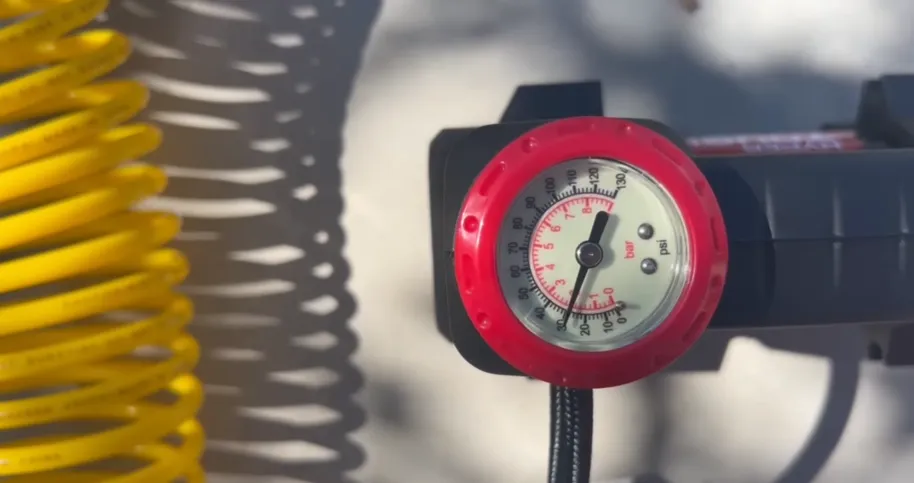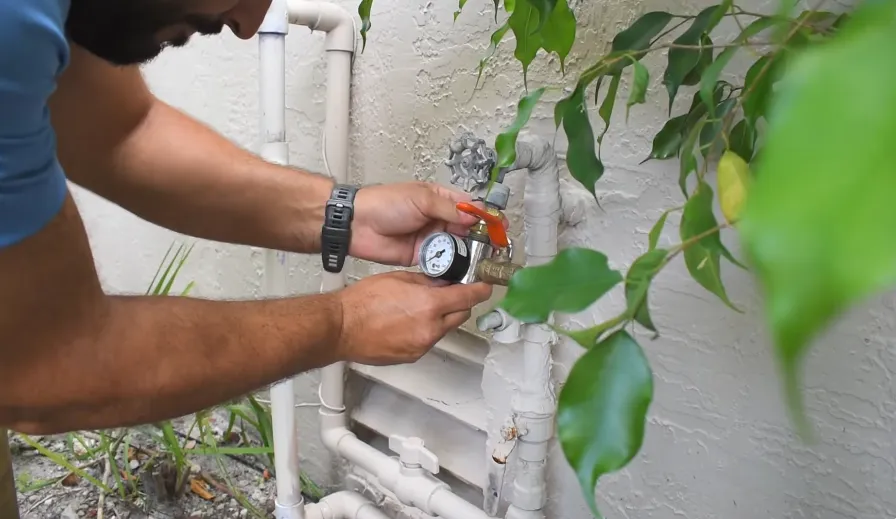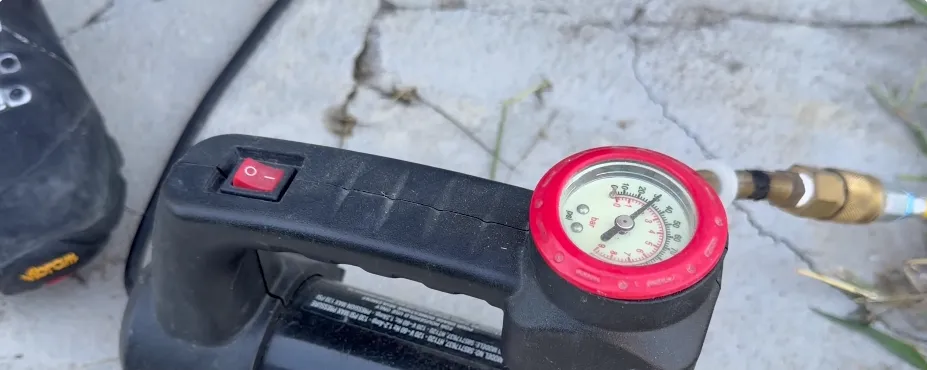
A gas line pressure test isolates the gas piping, pressurizes it with air or an inert gas to a set pressure, and monitors a gauge for a set period. If the pressure holds, the system is tight. If it drops, there's a leak, which is then located with leak detection solution or an electronic detector. Tests are common after new installations, renovations, gas leaks, service interruptions and before home sales.
- The test checks whether piping holds pressure over time.
- It's required or recommended in many situations, such as new lines and repairs.
- A drop on the gauge means a leak; locating it is the next step.
- Local codes and the gas supplier set the requirements, so use a licensed professional.
When a Pressure Test Is Needed
- New gas lines or extensions, for a range, dryer, water heater, generator, grill or pool heater
- Renovations that move or modify gas piping
- After a gas leak has been repaired
- After service was shut off, for example a propane tank that ran empty
- Buying or selling a home, as part of due diligence
- After storms or ground work that might have damaged buried lines
Requirements vary by local code and your utility or propane supplier, so a licensed professional determines what's needed for your situation.
How the Test Works
- Gas is shut off at the meter or tank, and appliances are isolated.
- A test gauge is installed on the system.
- The piping is pressurized with air or an inert gas to the specified test pressure.
- The gauge is monitored for the required time. Any drop beyond normal temperature effects indicates a leak.
- If it holds, the system passes and can be returned to service.
- If it drops, the leak is located, repaired and the test repeated.
Finding the Leak When It Fails
Most gas leaks occur at threaded joints, fittings, valves, flexible appliance connectors and regulators, and on buried lines where corrosion or damage has occurred. Leak detection solution applied to joints bubbles where gas escapes. Electronic combustible gas detectors sniff along lines. For buried lines, the route is traced and the line tested in sections. Our gas line testing page explains more.
How to Prepare
- Make sure the provider can reach the meter or tank and all gas appliances.
- Know which appliances are on gas: water heater, range, dryer, fireplace, pool heater, generator.
- Plan for gas to be off during the test.
- Ask for the results in writing if you need them for a sale, insurance or inspection.
Safety Reminder
A pressure test is a planned check, not an emergency response. If you smell gas now, leave and call your utility, supplier or 911 first. See the signs of a gas leak. For rural homes on propane, our propane safety guide covers tank-specific issues.
Frequently Asked Questions
How long does a gas line pressure test take?
It depends on the system and the required test duration. The provider can tell you what to expect.
Will my gas be off during the test?
Yes. The system is isolated and tested without gas flowing to appliances.
Do I need a pressure test to add a gas appliance?
New piping is typically tested before use. Your local code and supplier set the requirements.
What if the test fails?
The leak is located, repaired, and the system is tested again until it holds.
Can I do a gas pressure test myself?
Gas work should be done by a licensed professional following local code.