Propane safety starts with knowing the smell (rotten eggs), knowing where your tank shut-off is, and remembering that propane is heavier than air and collects in low places. Watch for hissing at the tank or regulator, frost on fittings, dead grass over buried lines and odor near appliances. After storms, tank swaps or any work near buried lines, a leak check confirms the system is tight.
- Propane sinks: leaks collect in low areas, ditches and crawl spaces.
- Know where the tank's service valve is.
- Buried propane lines can be damaged by digging, roots and equipment.
- Get the system checked after storms, tank swaps and running out of gas.
How a Propane System Is Set Up
A typical home system has an above-ground or buried tank, a service valve on the tank, one or more regulators that reduce pressure, a buried line to the house, and appliance connections inside. Some properties also feed a generator, pool heater or outbuilding. Each connection is a possible leak point, and buried lines on larger lots can be long.
Signs of a Propane Leak
- A rotten-egg smell near the tank, along the line, or indoors
- Hissing at the tank, regulator or fittings
- Frost or ice on a fitting or regulator on a warm day, a sign of escaping gas
- Dead or yellowing grass in a strip over the buried line
- Bubbles in standing water over the line
- Using propane faster than usual
If you smell gas, follow the steps in our guide to the signs of a gas leak: leave, don't create sparks, and call your supplier or 911 from a safe distance.
Everyday Safety Habits
- Know the tank valve. Turning it clockwise closes it. Close it only if it's safe to approach.
- Don't run out. An empty tank can let air and moisture in, and when service resumes, a leak check is often required before relighting appliances.
- Keep the area clear of brush, stored items and vehicles.
- Mark the buried line, and call 811 before digging, fencing or planting near it.
- Install propane and CO alarms indoors, especially near low areas and sleeping rooms.
After Storms and Floods
Hurricane-force winds and flooding can shift tanks, strain connections and damage regulators and lines. After a storm, look at the tank from a distance: is it upright and secured? Is anything leaning on it? If you smell gas or the tank has moved, stay away and call your supplier. Before using appliances again, have the system checked. Our hurricane season checklist covers other storm steps.
Leak Checks and Line Testing
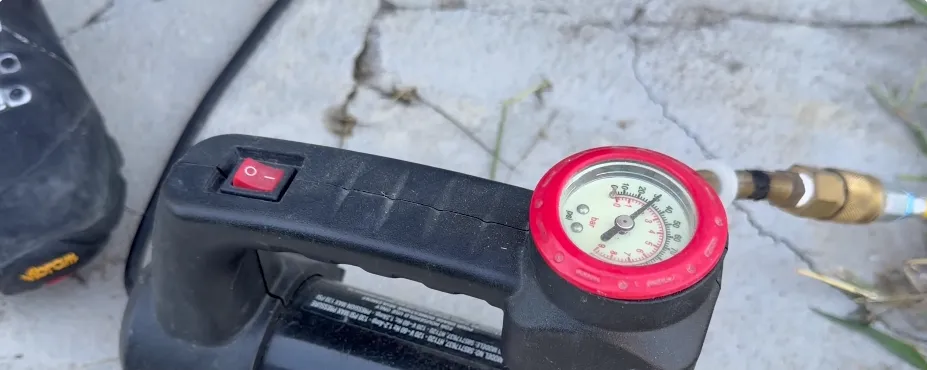
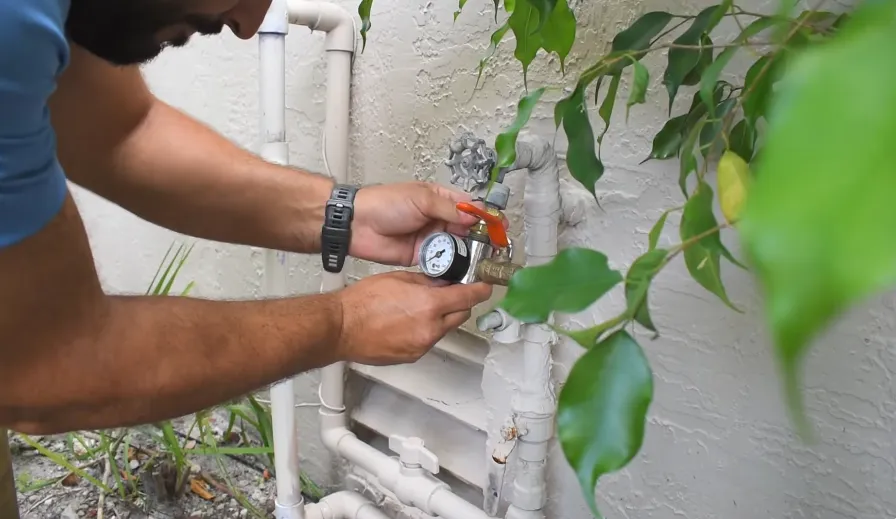
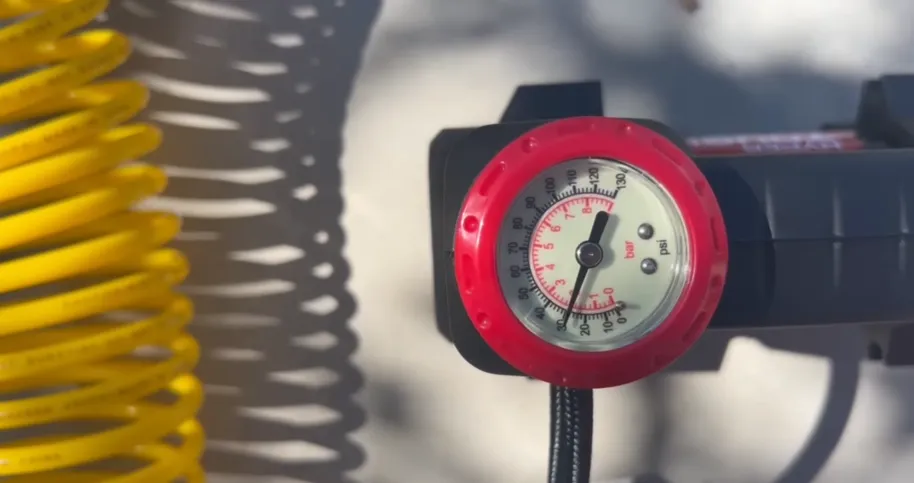
A propane professional checks the system with a pressure test, which isolates the lines and watches for a pressure drop, then locates any leak with leak detection solution or an electronic detector. Testing is commonly done after a tank change, an out-of-gas event, new appliance installation, renovation work, or when buying a property. See propane line leak detection.
Frequently Asked Questions
Why does propane collect in low areas?
Propane is heavier than air, so leaking propane sinks and can pool in low spots instead of dispersing.
What should I do if my propane tank runs empty?
Contact your supplier. A leak check is commonly needed before appliances are relit.
Can buried propane lines leak?
Yes. Digging, roots, soil movement and corrosion of older lines can all cause leaks.
Is frost on my regulator normal?
Frost on a regulator or fitting on a warm day can mean gas is escaping. Contact your supplier.
How often should a propane system be checked?
Follow your supplier's guidance, and have it checked after storms, tank swaps and any work near the lines.