The main signs of a gas leak are a rotten-egg or sulfur smell (an odorant added to natural gas and propane), a hissing or whistling sound near a gas line or appliance, dead or dying vegetation over a buried gas line, bubbles in standing water or wet soil, and a pilot light or burner that behaves abnormally. If you suspect a leak, leave the building immediately, don't use switches, phones or flames inside, and call your gas or propane supplier or 911 from a safe distance.
- Smell gas? Leave first, call from outside.
- Don't flip switches, use phones inside, start cars in the garage or light anything.
- Natural gas rises; propane sinks and collects in low areas.
- After the emergency is handled, line testing confirms the system is tight.
The Warning Signs
Smell. Natural gas and propane are naturally odorless, so suppliers add an odorant that smells like rotten eggs or sulfur. Take any such smell seriously, even if faint.
Sound. A hiss, whistle or roar near a gas meter, regulator, line or appliance.
Dead vegetation. Grass or plants dying in a line over a buried gas line, when the rest of the yard is healthy.
Bubbles rising in puddles, wet soil or a pond over a gas line.
Appliance behavior. A burner flame that's yellow or orange instead of blue, a pilot that keeps going out, or soot around an appliance can indicate combustion problems, which also deserve attention.
Physical symptoms. Headaches, dizziness or nausea that improve when you leave the house can be a warning sign of gas or carbon monoxide exposure.
What to Do Immediately
- Leave the building with everyone, including pets. Leave doors open behind you if it's quick and safe.
- Don't create sparks: no light switches, no appliances, no doorbells, no lighters or matches.
- Don't use your phone inside. Call from a safe distance outside.
- Call your gas utility or propane supplier, or 911.
- If it's safe and you know how, the shut-off at the meter or tank can be closed, but never stay inside or near a strong smell to do it.
- Don't go back in until the utility, supplier or fire department says it's safe.
Important: A leak detection referral line is not an emergency service. In a suspected gas leak, your gas utility, propane supplier or 911 comes first.
Natural Gas vs. Propane
Natural gas is lighter than air and tends to rise and disperse. Propane is heavier than air and can collect in low spots such as basements, crawl spaces, ditches and low rooms, which makes ventilation and avoiding ignition sources even more important. Many rural Plant City properties use propane tanks rather than natural gas service. See propane tank and line safety.
Carbon Monoxide Is Different
Carbon monoxide has no smell. It's produced by gas appliances that aren't burning properly or venting correctly. Install CO alarms near sleeping areas and on each level of the home, and test them regularly. If a CO alarm sounds, get out and call 911.
After the Emergency: Testing the Line
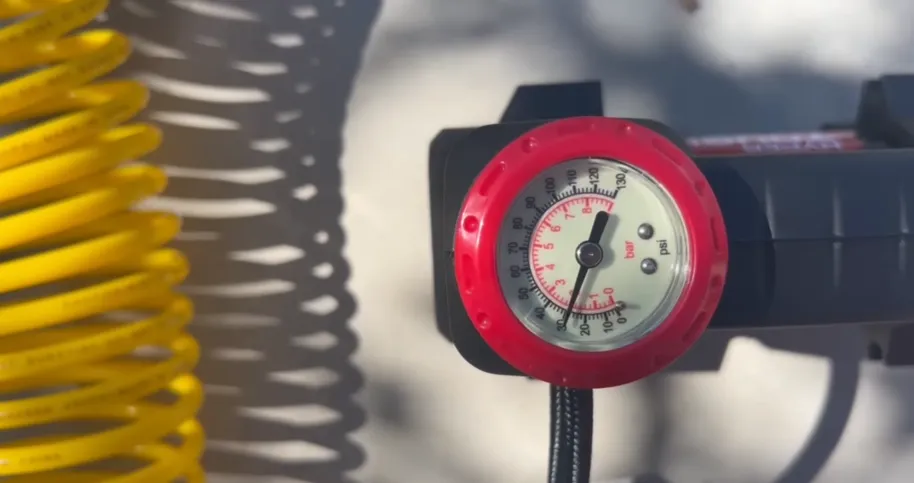
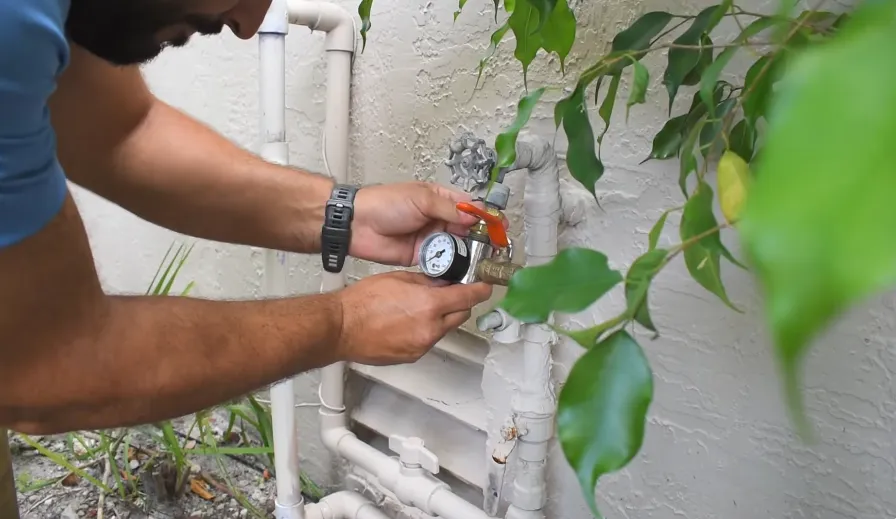
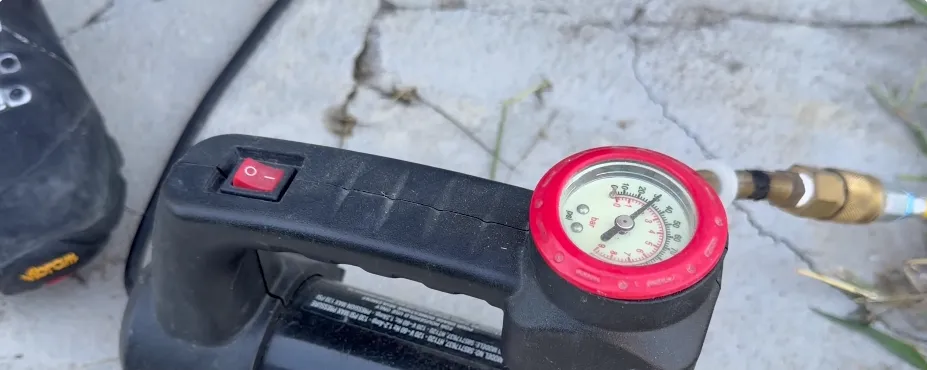
Once the utility or supplier has made the situation safe, the gas system may need to be tested before service is restored. A licensed gas professional performs a pressure test on the line, finds the leaking fitting, valve or pipe with leak detection solution or electronic detectors, and repairs it. Line testing is also commonly done before adding a new gas appliance, after renovations, or when buying a home. See gas and propane line testing and our guide to gas line pressure tests.
Frequently Asked Questions
What does a gas leak smell like?
Most people describe it as rotten eggs or sulfur, from an odorant added to natural gas and propane.
Can I call from inside the house?
No. Leave first, then call from a safe distance outside.
Should I open windows?
Only if it's quick and on your way out. Your priority is getting everyone outside.
Can a small gas smell near the stove be normal?
A brief whiff when a burner lights can happen. A persistent smell is not normal; treat it as a possible leak.
Who repairs a gas leak?
Your utility or supplier handles the emergency. A licensed gas professional tests and repairs the line on your side.